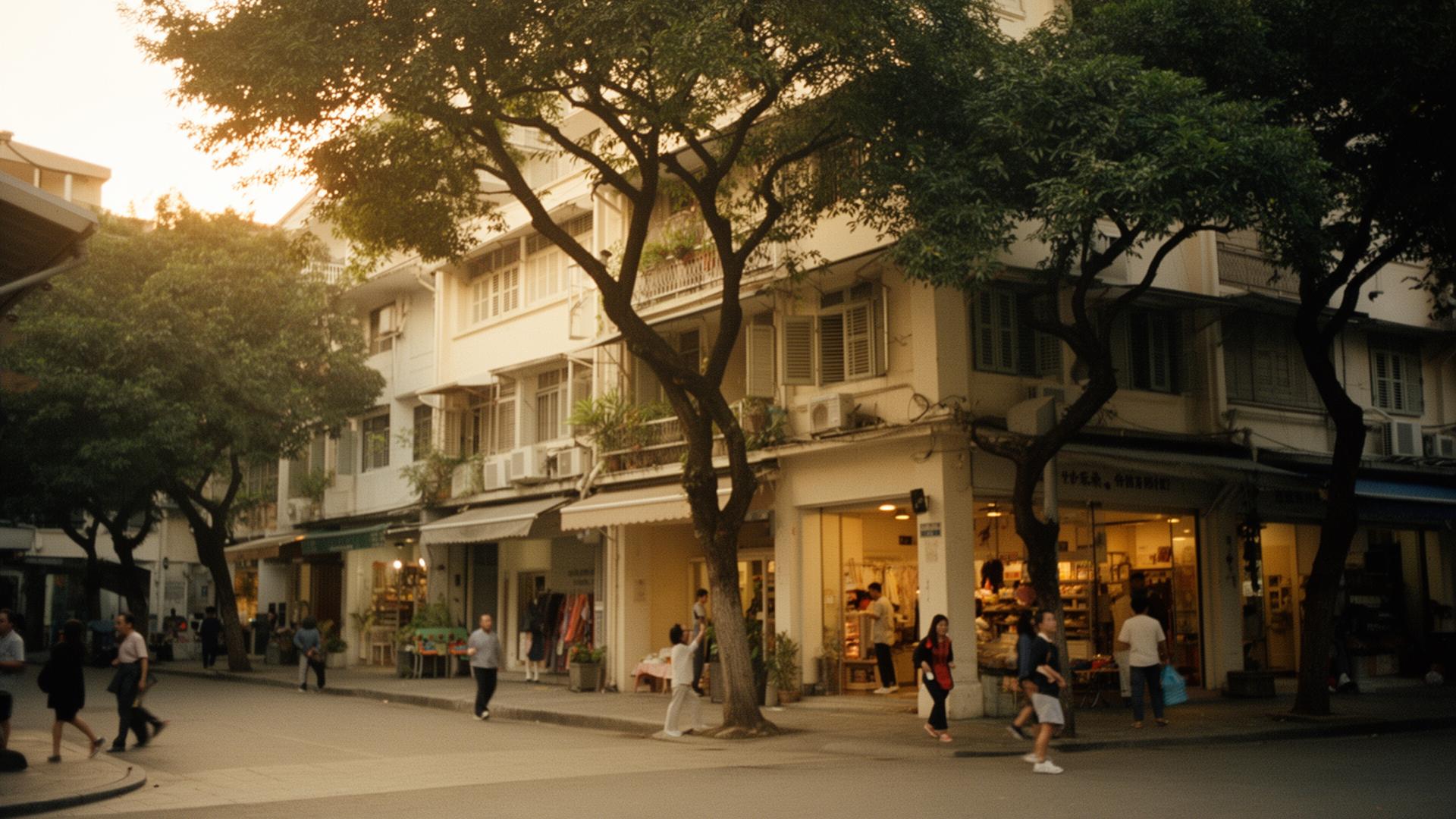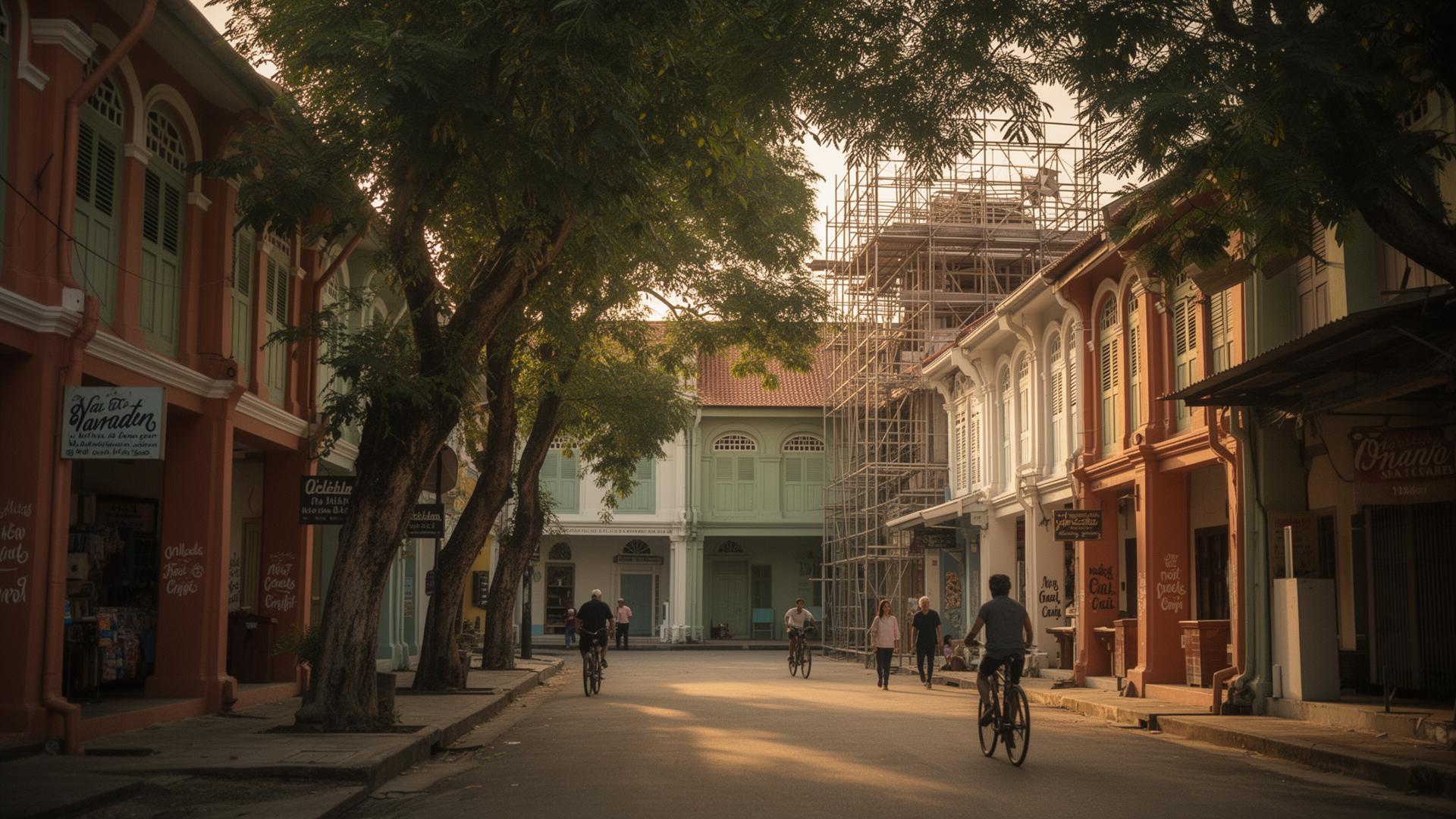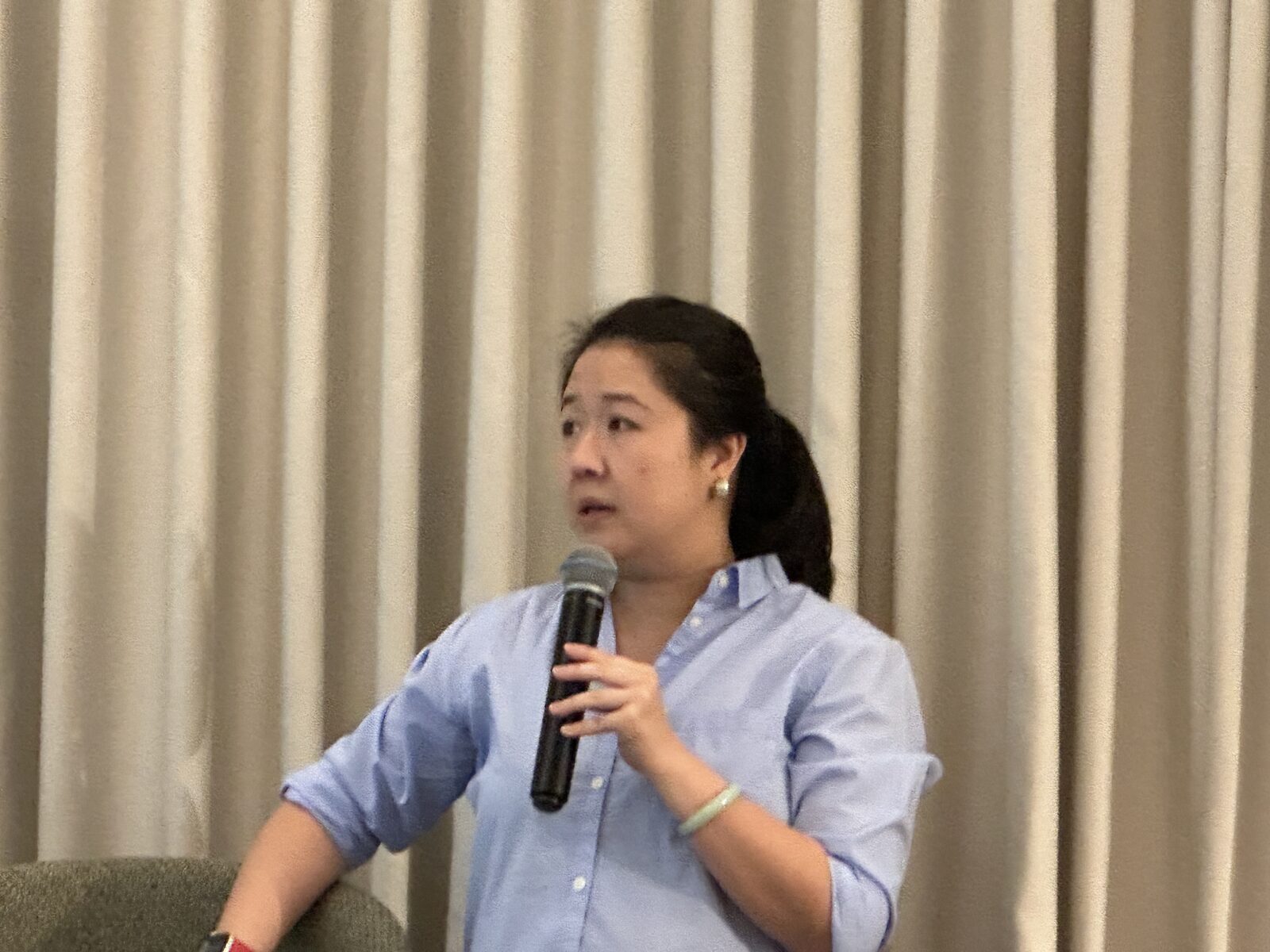
The Art of Citymaking: Kuala Lumpur
Kuala Lumpur as a City for All — what came up in the room.
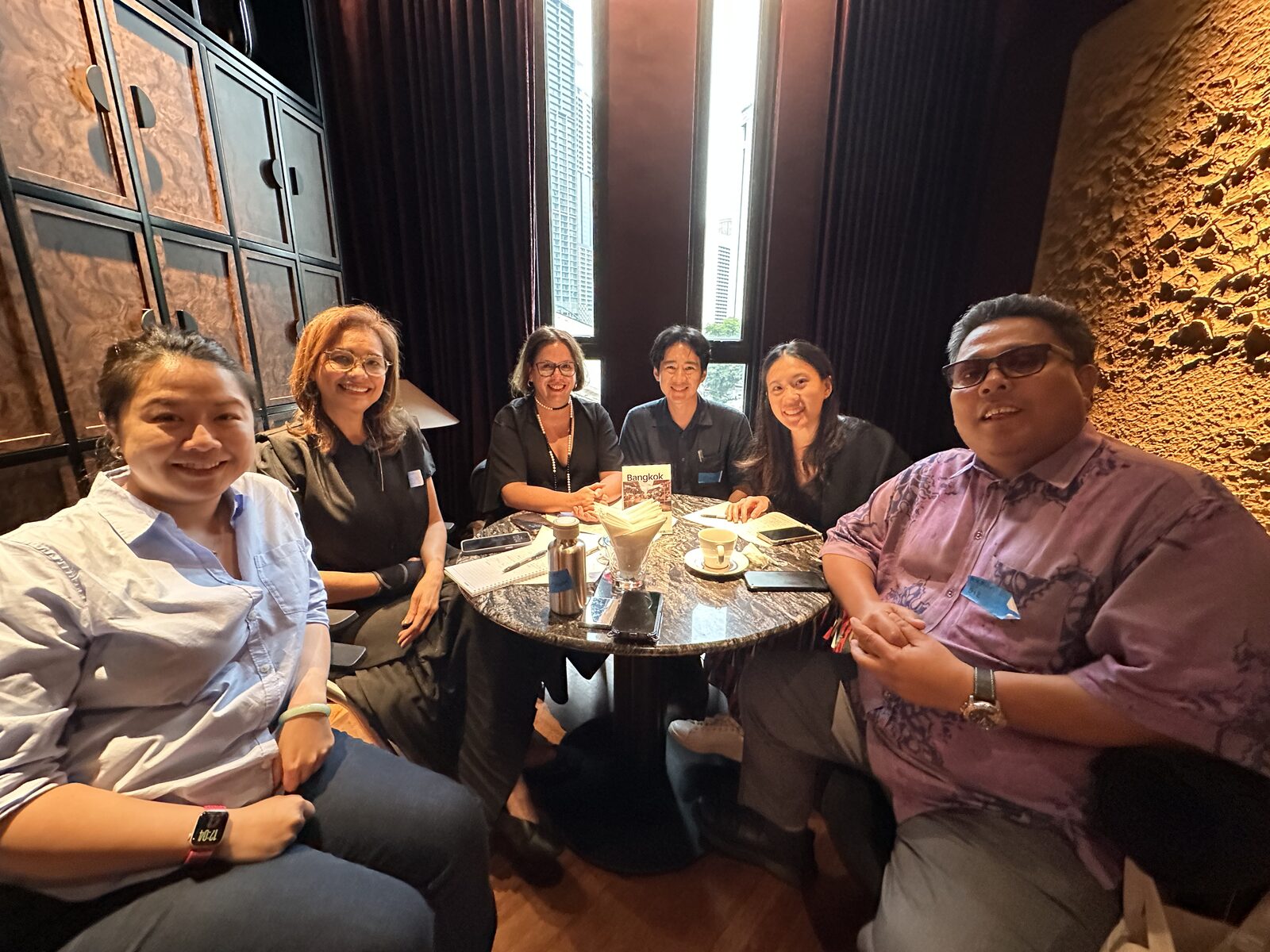
A curated working conversation — not a panel — convened with Think City. The day was framed by a single question: what does it actually take to make Kuala Lumpur a city for all? Four provocations opened four lenses on the city — Understanding, Operating, Transforming, Responding — followed by three rounds of table discussion: a reality check, a look at where systems break down, and a search for what to change. In keeping with the Chatham House Rule, we record themes from the room rather than attribute remarks. What follows is a selective field record.
Drawing Room, Yap Ah Shak House — Chow Kit, Kuala Lumpur · Closed-door salon · held under the Chatham House Rule
Understanding — who is KL working for, and who is it not?
The room kept returning to lived experience as the truer test of a city than any index. Streets, transport and housing communicate — sometimes loudly — about who belongs and who is being asked to fit in. The ASEAN frame mattered: identity, culture and informality are not edge-cases of the plan, they are the plan.
Operating — who owns the experience of a district?
A persistent gap surfaced between agencies that plan, agencies that build, and the absent figure who is accountable for how a place actually feels day to day. The provocation that landed: KL is over-designed in parts and under-managed in others. Stewardship — at street, block and district scale — was named as the missing capability.
Transforming — from a planned city to a learning city
Strong plans, weak feedback loops. Participants pressed against a model of regeneration that ends at completion, and toward one that treats a district as an instrument that keeps being tuned. If we redesigned one district as a city-for-all prototype, what would year one actually look like — and what would we stop doing?
Responding — adaptability as infrastructure
Housing, climate and crisis response sat together rather than apart. The shift the room argued for: from heroic projects to standing capabilities — the quiet, fundable, repeatable capacity to respond when the next thing arrives.
An ASEAN model of citymaking, in its own voice
Less appetite for imported playbooks; more curiosity about lateral exchange across the region — Bangkok, Osaka, Singapore, Penang, KL — each with hard-won knowledge that rarely travels far enough. A distinctly ASEAN model would be rooted in identity, culture and everyday life rather than imported from elsewhere.
Creativity cannot be really regulated, but it can be encouraged. The redevelopment or revitalisation of a city is an art. It depends on the individual strengths of a place and the will of the leadership to bring about change. The goal is to establish a cultural infrastructure.
How the day ran
- Welcome
- Anupam Yog & Duncan Cave
- Provocation · Understanding the city
- Saravanan Sugumaran, Morrow — identity, culture, informality, the ASEAN context
- Provocation · Operating the city
- Tulsi Grover, weareMIXD — district experience, stewardship, coordination
- Provocation · Transforming the city
- Nicole Thum, Think City — area-based regeneration and implementation
- Provocation · Responding to the city
- Christine Chang, Airbnb.org — adaptability, housing, crisis response
- Moderation
- Anupam Yog
- Table discussions
- Three rounds — Reality Check, Systems & Gaps, Reconstruction — at Kapitan Club, with report-back and wrap in the Drawing Room.
- Lunch
- The Botanical Arts Society
With Think City, Morrow, weareMIXD, Airbnb.org.