
The citizen, the artist, the city.
A cohort. One week. A city in conversation.
Singapore, 13–20 June 2026. A week of quiet work and public encounter, with the inaugural festival at its centre.
A cohort, not a spotlight.
We begin with a circle, not a spotlight. A small cohort of creators — drawn from the public realm, urbanism, neuroscience-led design and the practice of human-centred enquiry — share a single week in Singapore, anchored by one quiet question:
What is the role of the creator in the life of a city?
The week is not a programme of appearances. It is a residency: closed-door salons, a co-design studio, shared meals, and one public day on the festival stage — where distinct practices meet, complicate one another, and find common ground.
Anchoring the week is a live brief: Project Mandala — a living experiment in ecological urbanism, craft, culture and human flourishing unfolding on the regenerating edge of Jaipur. The cohort carries its question with them through the week: how do we design places that help human beings flourish, rather than merely function?
Citymaking is connection, inspiration, exchange.
We started Leadership for Cities because we believe the next chapter of Asia’s cities will not be written by planners alone. It will be written by the people who shape how cities feel — artists, storytellers, builders, neighbours.
The residency is our way of putting that belief into practice. Each year, a small cohort anchors the week — distinct practices in conversation, building a programme not of appearances but of exchange: with policymakers, with practitioners, with the city itself.
In 2026, the cohort is anchored by Helen Marriage — in Singapore for the first time — joined by a small circle of others whose work has shaped how cities are imagined and lived.
Anchored by Helen Marriage, joined by voices whose work has shaped how cities are imagined and lived.
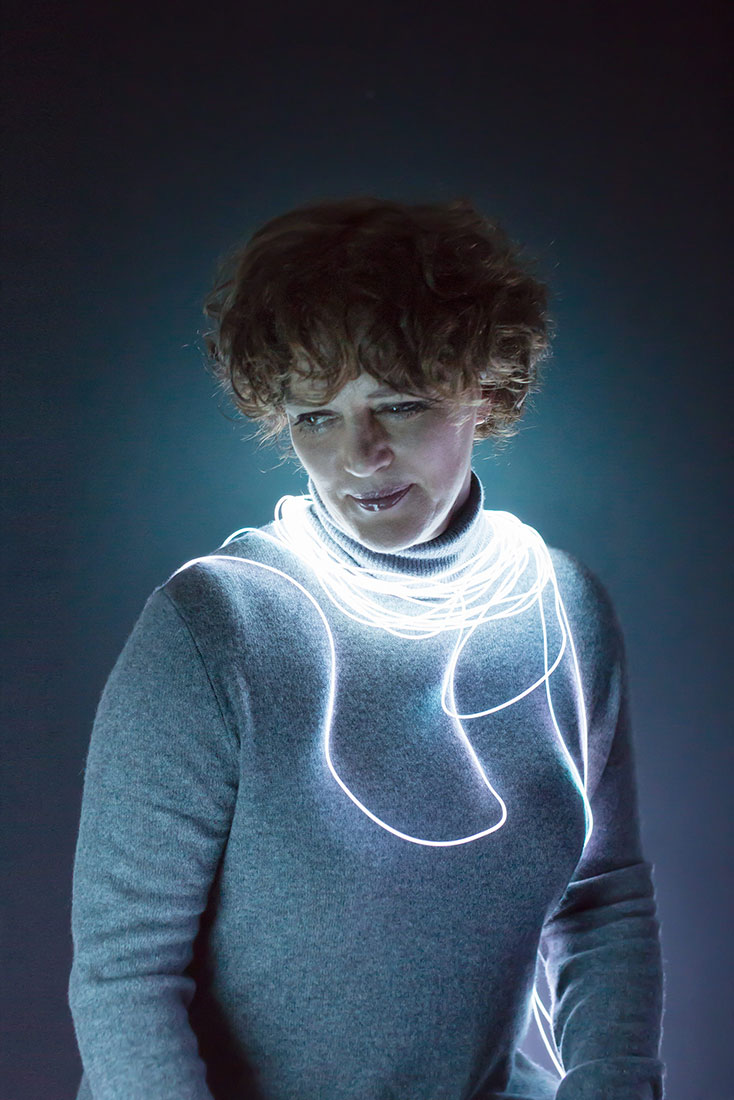
Helen Marriage
In Singapore for the first time, 13–20 June 2026.
Co-founder of Artichoke, Helen Marriage has spent three decades producing some of the most ambitious works of public art in the United Kingdom — from The Sultan’s Elephant moving through the streets of London, to Lumiere lighting Durham, to Processions marking a century of women’s suffrage. Her practice insists that a city’s public realm is not a backdrop but a stage — and that ordinary people, gathered, are its most powerful protagonists.
This is Helen’s first time in Singapore. The week is designed as the beginning of a longer conversation: a chance to meet the city, its makers and its custodians, and to imagine — together — what a future collaboration in this part of the world might look like.
We are honoured to host her as the anchor of our inaugural cohort, in a week built around conversation, not performance.
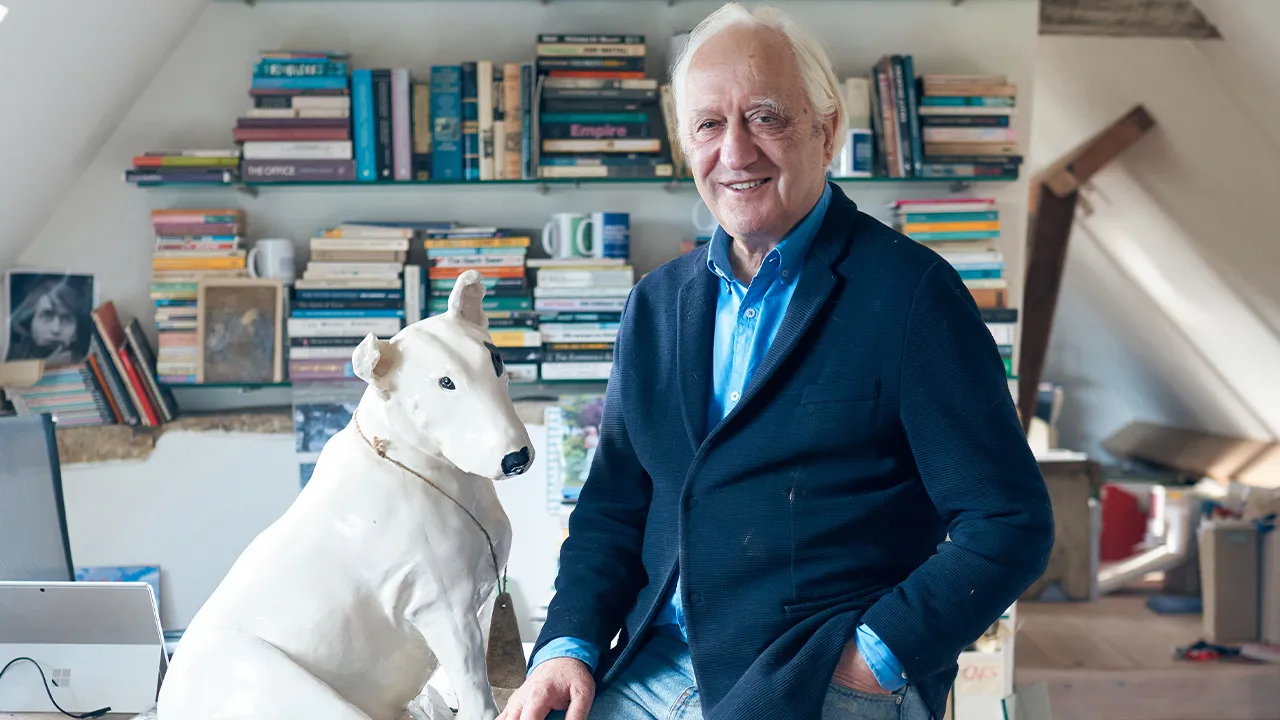
Charles Landry
Author, The Creative City — UKOriginator of the Creative City idea and co-chair of The Art of Citymaking. For four decades, his thinking has shaped how cities around the world reimagine themselves through culture, imagination, and the everyday creative act.
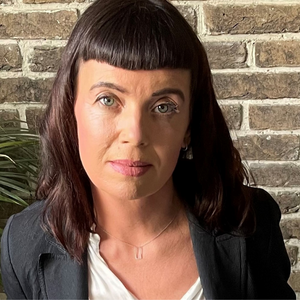
Elinor Seath
Co-Founder, REMIXD — UKCo-founder of REMIXD and an architect of the Experience Improvement District (XID) — a framework that reimagines neighbourhoods as net producers of human wellbeing. Her practice draws together design, neuroscience and lived experience to ask what cities feel like, not only what they look like.
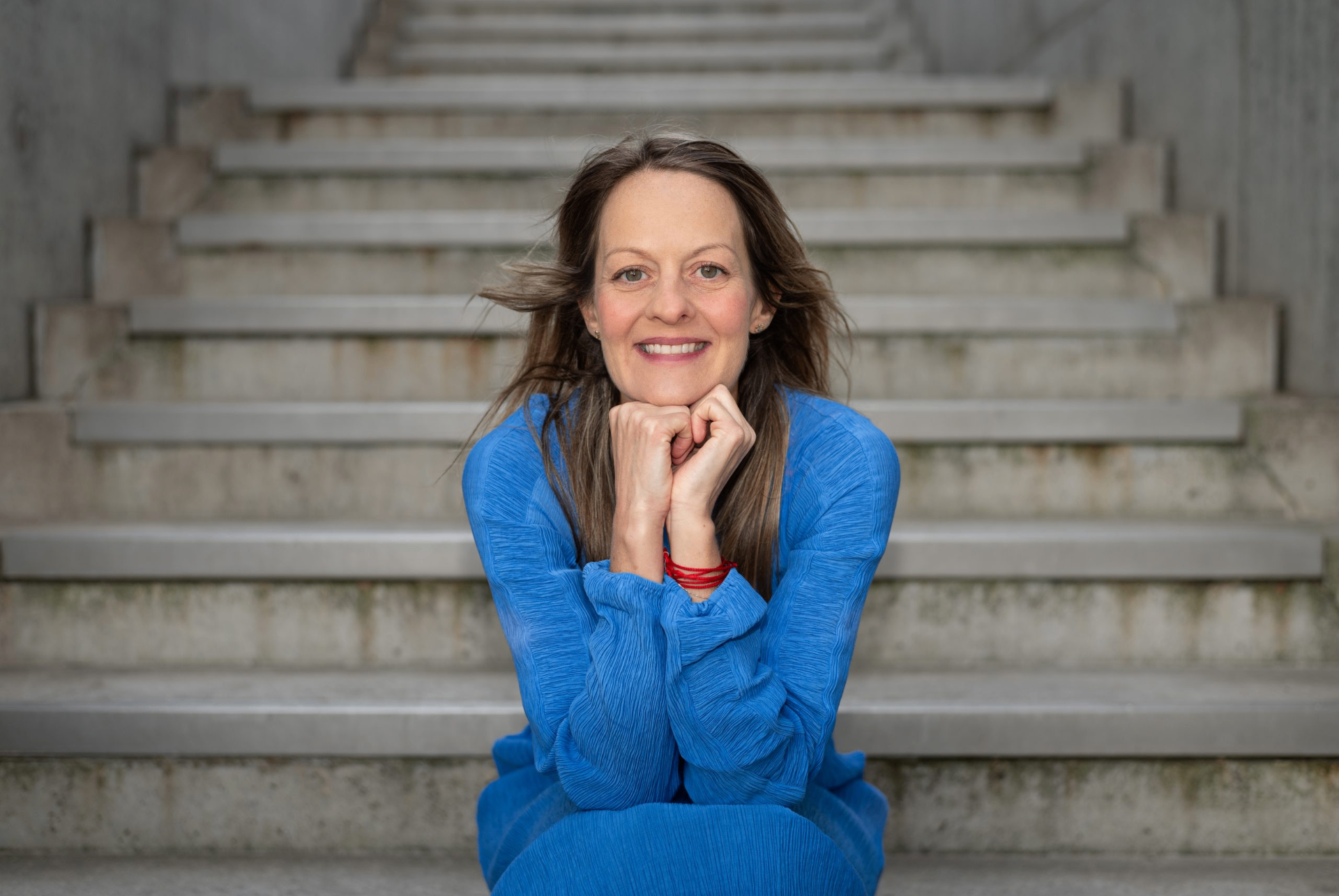
Clare Inkster
Founder, The Curiosity Experiment — UKFounder of The Curiosity Experiment, a practice exploring how curiosity, creativity and human-centred enquiry shape healthier organisations and places. Her work brings the disciplines of facilitation, behavioural insight and lived experience into the way cities convene, learn and decide.
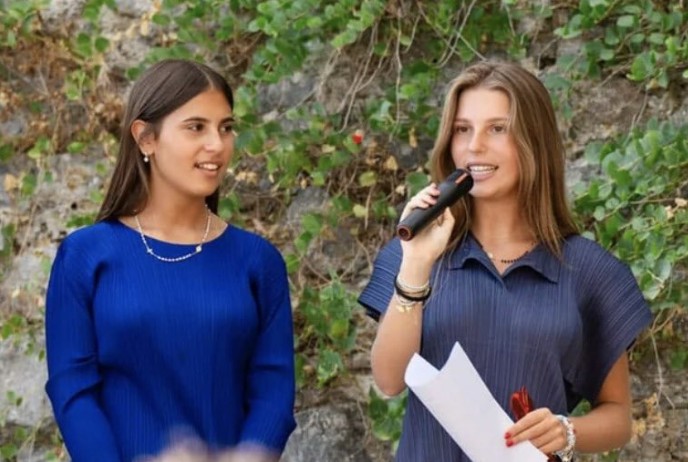
Carla & Viola Bartoli
A second generation of cultural regenerators, Carla and Viola Bartoli carry forward the work of Farm Cultural Park — a project that has reanimated abandoned Sicilian towns through art, architecture, and community. They join the festival from Favara, bringing the Countless Cities biennial to its Asia debut.
See their session on the festival programme.
The rooms that hold the week.
A residency is only as honest as the rooms that hold it. The cohort does not work in the abstract — they work alongside a small Singapore-side host circle whose practice already sits at the intersection of making, culture, place and capital.
And beyond any single room, the city itself is the workshop. We hold Singapore as a contemporary karkhana — a living atelier of makers, institutions and neighbourhoods — and the residency is how we live that promise in practice.
These are the partners convening the rooms, opening the doors, and carrying the conversation forward beyond the week itself.
- Host partner · MakingIpse Ipsa IpsumSaurabh Mangla, Founder
A contemporary karkhana — moving from supplier to producer of cultural and public work. Hosts the closed-door salon on Tue 16 Jun and works with the cohort across the week.
- Host partner · Strategy & placeAnupam Yog, Founder
A Singapore-based strategy practice working with cities, developers and cultural institutions on the long arc of place. Convenes the Singapore-side conversations the cohort steps into.
- Host venue · Wed 17 JunGlassDomeThe festival venue. The cohort steps onto the stage of The Art of Citymaking — the residency’s one fully public moment.
- Host venue · Thu 18 Jun eveningThe Nanson ClubHost venue for India & The Policy Pivot — the evening conversation hosted by Anupam Yog that the cohort joins.
- The wider roomSingapore — a city-scale karkhanaBeyond any single venue, the city itself is the workshop. Singapore held as a contemporary karkhana — neighbourhoods, institutions and makers as the wider room the cohort works inside, and the place where the Citymaking Studio makes its XID.
A residency, not a tour.
Cities are shaped not only by how they are built, but by how they are experienced.
Across the week, the cohort moves between closed-door rooms and public stages — policy meeting practice, the inner life of the citizen-artist meeting the outward life of the city.
The arc culminates in the Citymaking Studio — a one-day co-design session in which the cohort, faculty and host circle work together on an Experience Improvement District for a creative precinct in Singapore. For the festival day in full, see the festival programme.
- Sat 13 – Sun 14 JunOpening weekend
A walk through the city
The cohort arrives, with studio visits and quiet conversations alongside Singaporean artists and arts spaces. Sunday evening, a welcome supper: an off-the-record dinner with the cohort and the residency’s host circle.
- Mon 15 JunWorkshop · Ipse Ipsa Ipsum
The cohort convenes
The cohort meets for the first time at Ipse Ipsa Ipsum — the residency’s working studio for the week. A day of orientation, shared briefs, and quiet conversation among the makers, objects and materials of the host workshop. The first of two days that build toward Tuesday’s closed-door salon.
- Tue 16 JunClosed-door salon · Ipse Ipsa Ipsum
Artistic Freedom & the Public City
A working salon with the Creators in Residence cohortThe two days at Ipse Ipsa Ipsum culminate in a closed-door conversation that convenes twenty-five artists, policymakers and cultural practitioners. A high-trust exchange on what cities owe their creators — and how creative practice shapes the public life of the city.
- Wed 17 JunFestival day · GlassDome
The Art of Citymaking Festival
Festival day · GlassDomeThe week opens out into the city. The cohort steps onto the festival together — in panels, provocations, readings and interludes that thread the GlassDome from morning to night.
- Thu 18 Jun · Day · CulminationCitymaking Studio · The Foundry
The Citymaking Studio — making an XID in Singapore
The week’s working culmination · cohort, faculty & host circleThe residency’s working culmination. A one-day co-design session at The Foundry in which the cohort, faculty and Singapore host circle build an Experience Improvement District (XID) for a creative precinct in Singapore — across the five XID disciplines: Foundations, Nature, Wellbeing, Future Heritage and Our Model Town. The brief is informed by Project Mandala. See the Studio programme for full detail.
- Thu 18 Jun · EveningEvening conversation · The Nanson Club
India & The Policy Pivot
The cohort joins India & The Policy Pivot — a high-powered evening conversation hosted by Anupam Yog at The Nanson Club, on India’s reform trajectory, the Singapore connection and the urban opportunity of the next decade. A natural close to the residency’s Singapore arc.
- Fri 19 – Sat 20 JunClose
A quiet close
Final exchanges, departures, and a small closing gathering to mark the residency’s end.