Festival FinaleThe New York Times ‘Agree to Disagree’ DebateBook your seat
Labs · 2026 Edition · India Focus

The SingaporeUrban LearningProgramme

A 4-day immersion into how a city actually works—experienced in Singapore.

With a focus on how global models translate into Indian cities.

15 – 18 June 2026Singapore4-Day Programme
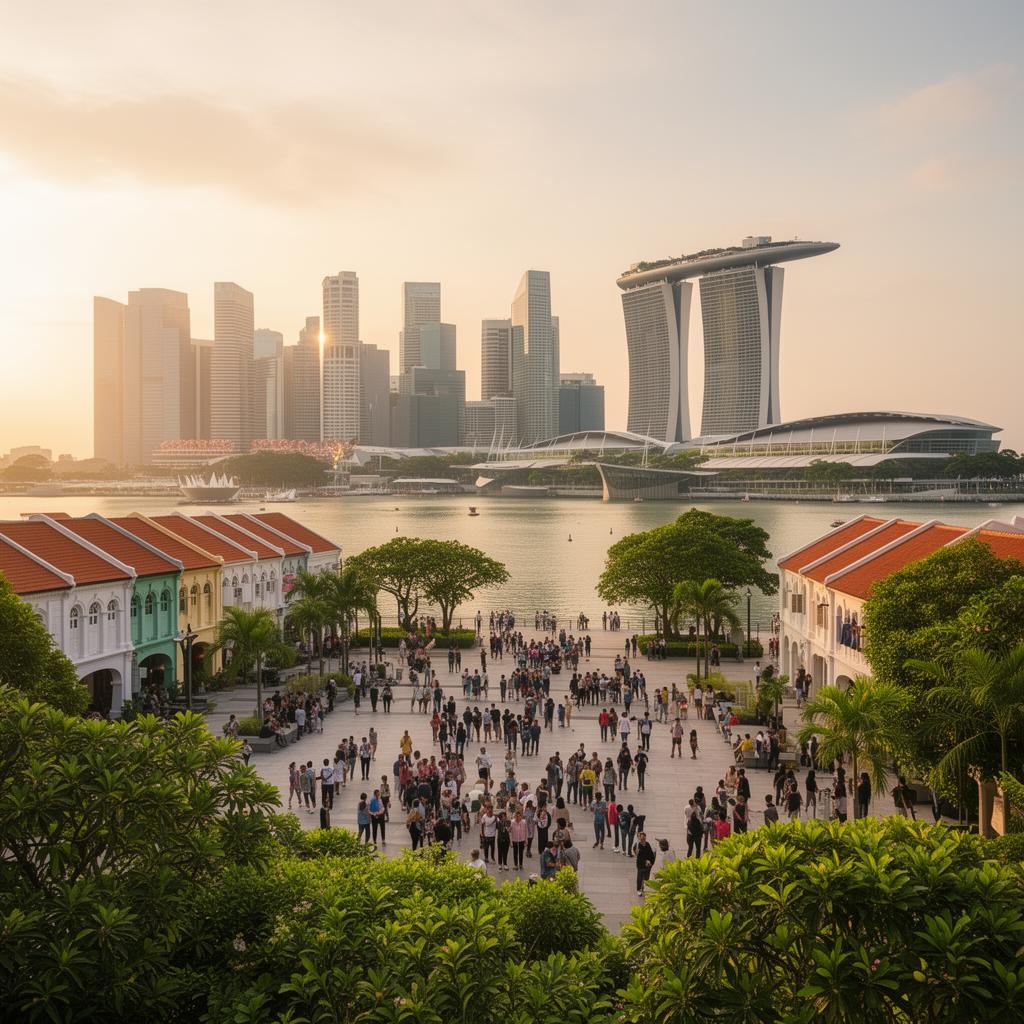
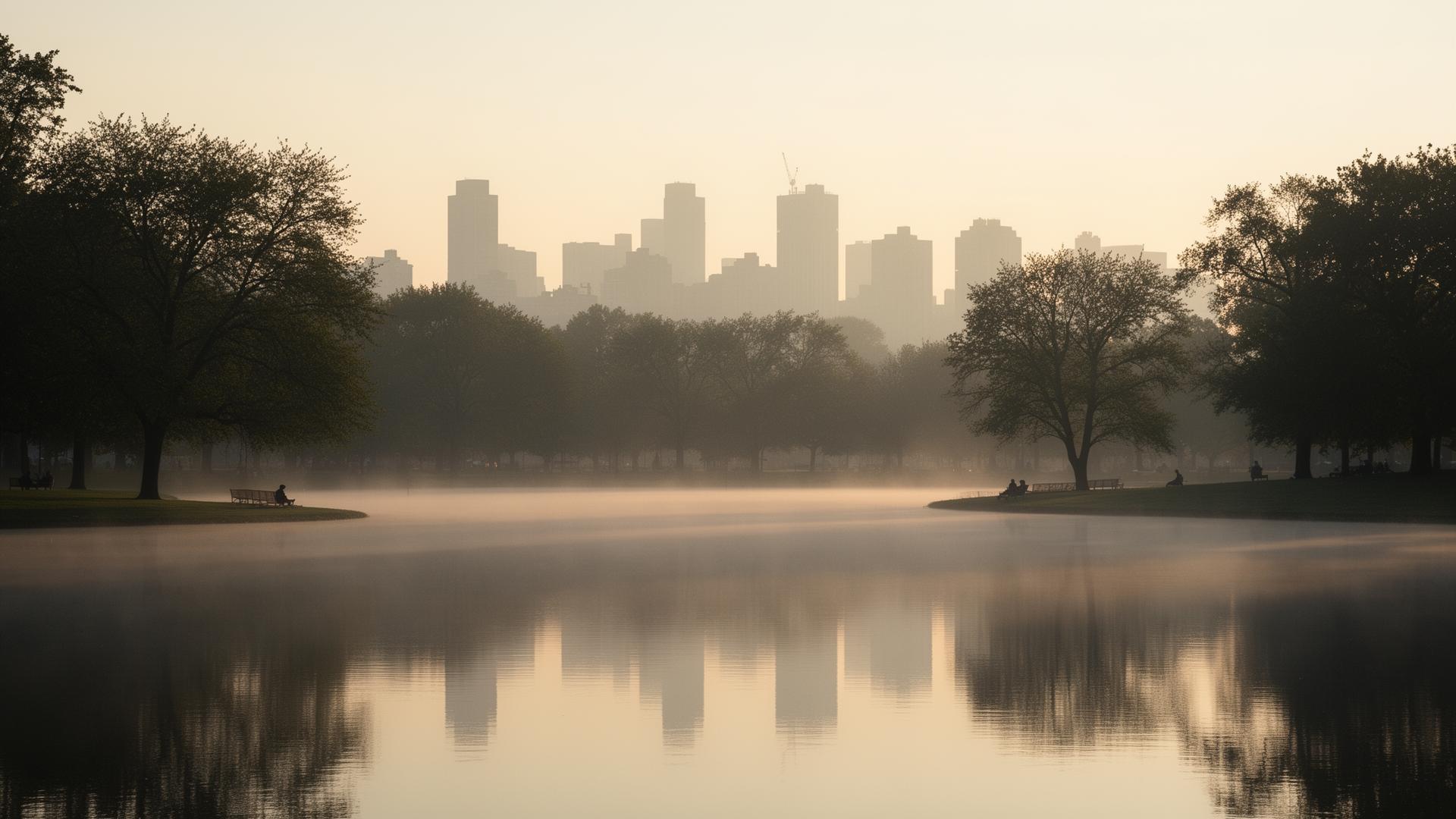
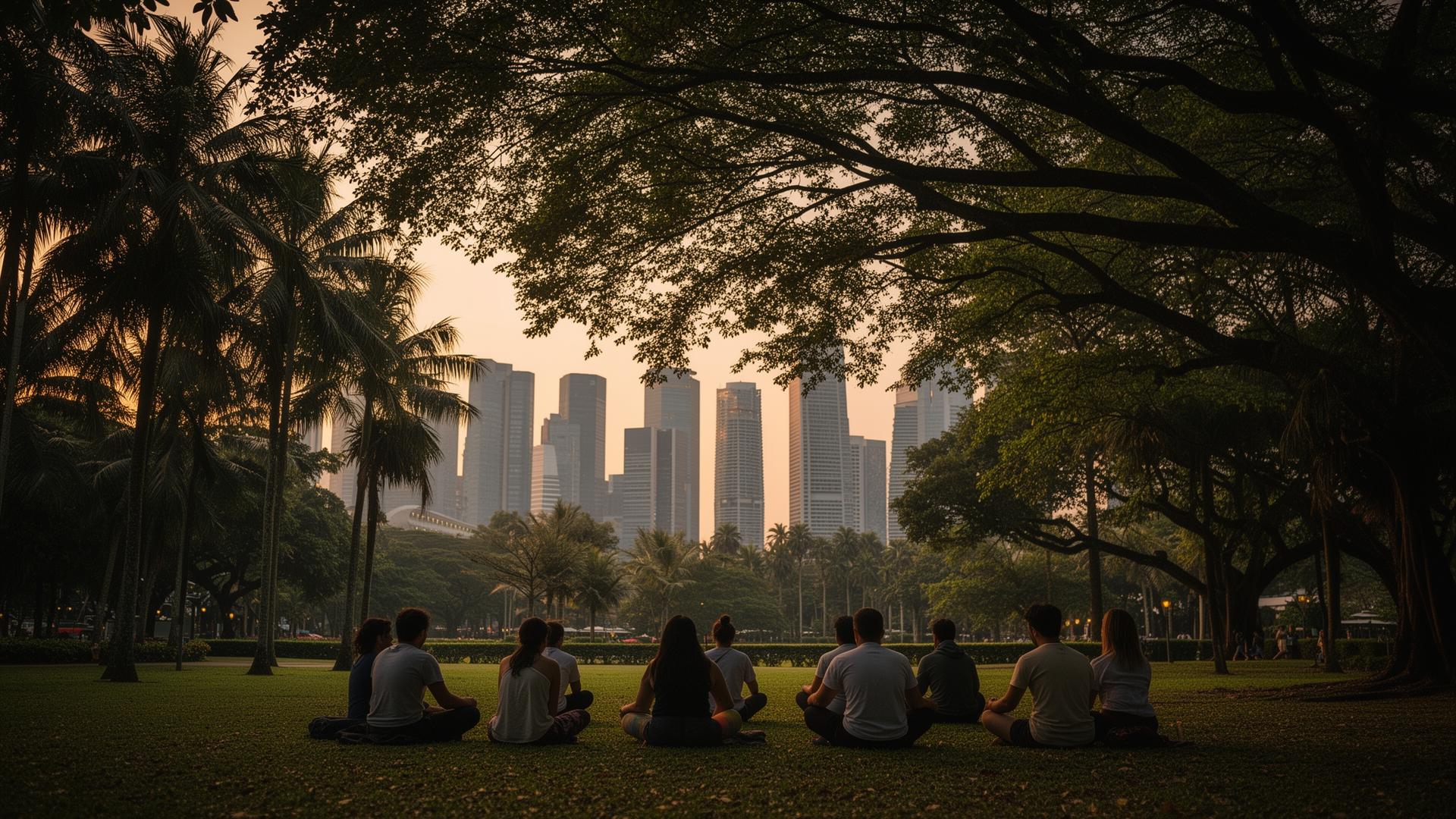
Singapore skyline
Singapore public housing
Singapore MRT
Gardens by the Bay Supertrees
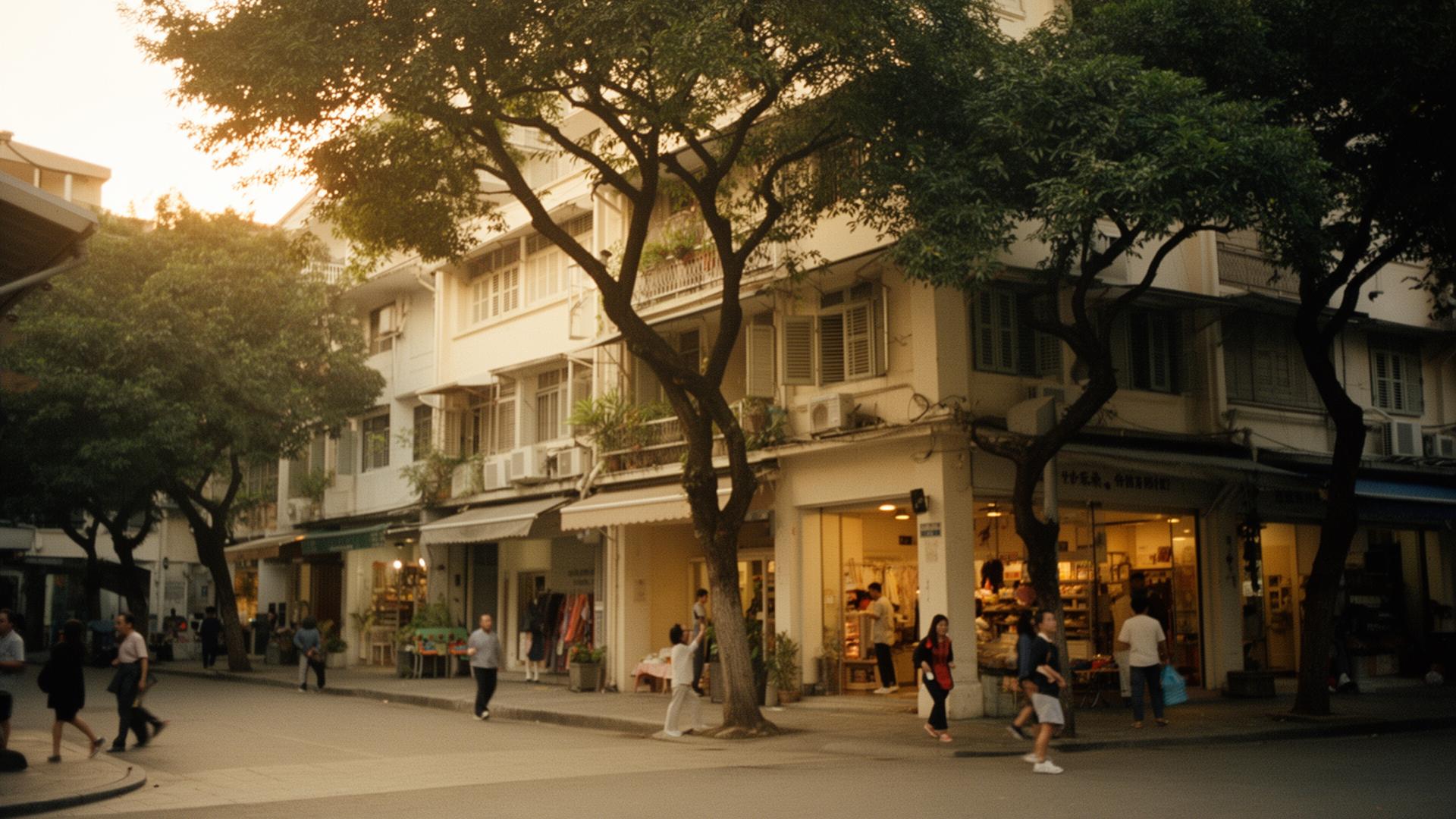
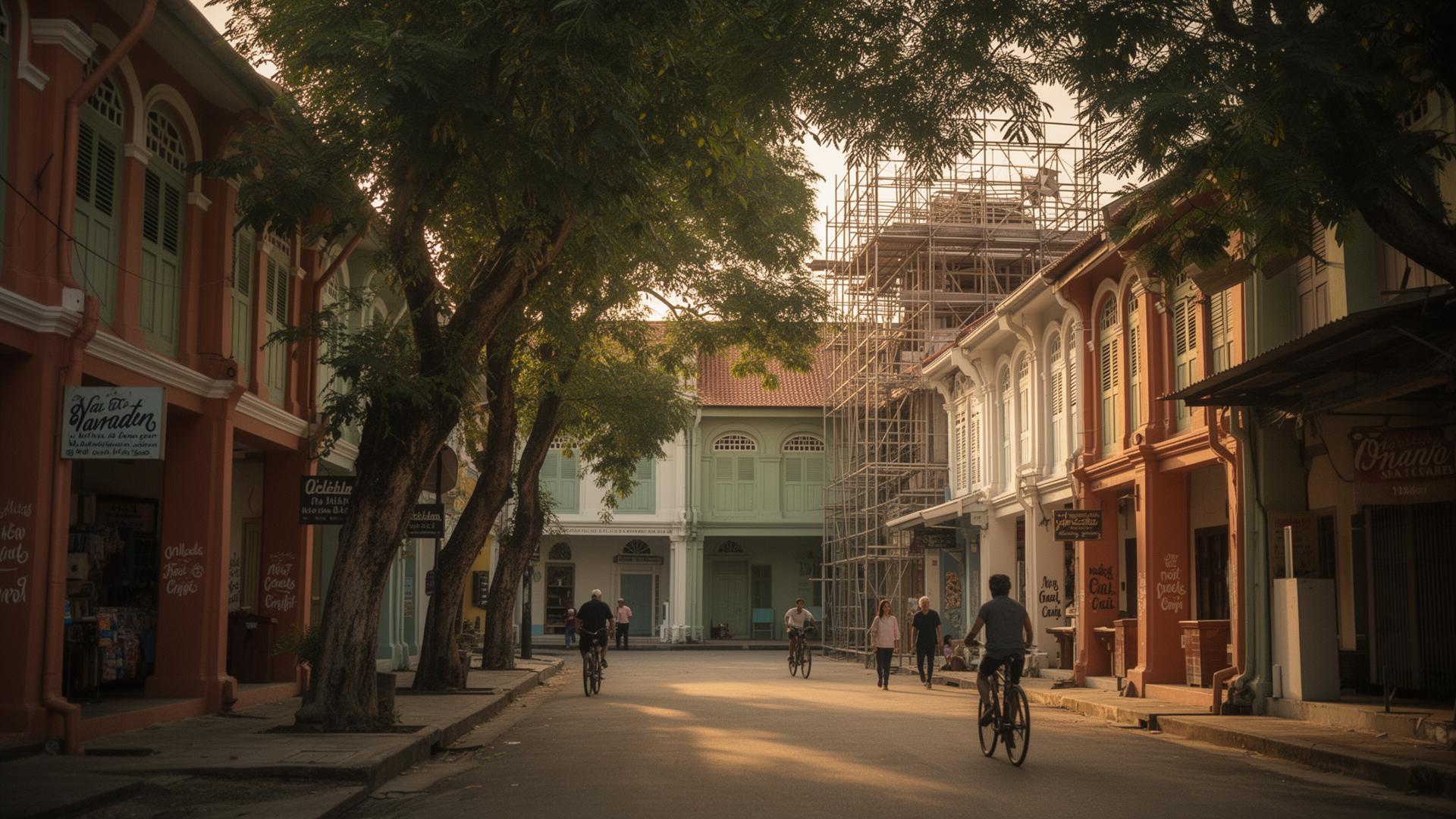
Singapore shophouses
Overview

Most cities offer pieces: a good transport network, a successful district, a strong plan.

In Singapore, the pieces connect.

You can see how land, housing, mobility, water, and public space come together—and how that connection is sustained over time.

This programme is an opportunity to spend time inside that.

This edition includes direct engagement with senior Indian practitioners—bringing a grounded perspective on how these systems translate across different urban contexts.

Over four days, you move through the city—its institutions, neighbourhoods, infrastructure, and public spaces—seeing how decisions are made, how they are implemented, and how they show up in everyday life—and reflect on what can be adapted, reworked, or challenged in the context of India.

What you'll explore

Five Ways to Read the City

The programme explores how Singapore works through five connected lenses—each examined in relation to the realities of rapidly urbanising contexts such as India.

  • Planning at Scale

    How long-term vision, land use, and governance shape the city over decades.

  • Housing as National Infrastructure

    How public housing operates as a social, economic, and spatial system.

  • Mobility and Everyday Movement

    How transport, density, and walkability shape how the city is used.

  • Water, Climate, and the Landscape

    How infrastructure, ecology, and resilience are designed together.

  • Districts and Urban Life

    How heritage, commerce, and new development coexist and evolve.

The experience

Learning unfolds through movement.

You begin with the foundations—how Singapore plans and operates at scale. You move into the systems in action—housing, mobility, water, and green infrastructure. You spend time in districts where these decisions play out in everyday life.

There is a rhythm to it: observe → question → connect → reflect.

Throughout, participants engage with peers and senior practitioners working across Indian cities—grounding reflection in real policy and delivery contexts.

By the end, the city reads differently.

Programme structure
Day 1

Foundations

Planning, land use, housing, and ecological systems. The day grounds participants in how Singapore plans and operates at scale.

URA City Gallery

URA City Gallery

An introduction to how Singapore plans its growth—land use, density, and development coordinated across the entire city.

HDB Hub

HDB Hub

Where Singapore's public housing system is managed—how policy, financing, and design come together to deliver housing at scale.

Bidadari Estate

Bidadari Estate

A new residential district in development—showing how housing, green space, and community are being integrated today.

Bishan Park

Bishan Park

A transformed river landscape—where flood control, ecology, and public space are designed as one system.

Day 2 – 3

Systems and Exchange

Participation in the World Cities Summit, alongside site visits and smaller group sessions exploring mobility, water, density, and green infrastructure. Including focused India discussions that explore how these systems translate into governance, financing, and delivery in Indian cities.

Marina Barrage

Marina Barrage

A defining piece of Singapore's water system—turning the sea into a reservoir while holding the city safe from floods, and opening it up as public space.

Gardens by the Bay

Gardens by the Bay

An iconic landscape of the city—where engineering, climate control, and planting come together to shape Singapore's "City in a Garden."

CapitaSpring

CapitaSpring

A new generation of city building—stacking work, greenery, and public space into a single high-rise in the heart of the CBD.

Singapore River Precincts

Singapore River Precincts

The historic core of the city—once a trading river, now a continuous stretch of waterfront life across Boat Quay, Clarke Quay, and Robertson Quay.

Day 4

Districts and Everyday Life

Heritage areas, new developments, and mobility systems—seeing how decisions translate into lived experience.

Little India

Little India

A historic neighbourhood - where culture, commerce, and everyday life continue to shape the street.

Chinatown

Chinatown

A preserved district—showing how heritage is retained and adapted within a changing city.

Lau Pa Sat

Lau Pa Sat

A central market hall—still functioning as a place to eat, gather, and move through in the CBD.

Punggol Digital District

Punggol Digital District

A new urban district—bringing together work, education, and living in a planned environment.

World Cities Summit
World Cities Summit 2026 — Liveable and Sustainable Cities: ACT Now! 14–16 June 2026, Suntec Singapore Convention & Exhibition Centre

The programme runs alongside WCS 2026.

It brings together senior leaders from government, industry, and urban practice across more than 100 cities—offering a wider lens on the questions explored during the programme.

This includes a strong India delegation—enabling direct exchange with senior bureaucrats, municipal leaders, and industry practitioners shaping Indian cities today.

Dedicated India Session

India's Next Cities — Policy, Capital, and Delivery

A focused exchange inside the World Cities Summit—bringing together Indian and global perspectives on how cities are shaped in practice.

The session extends the Learning Labs programme into the World Cities Summit—creating a structured moment of dialogue across public, private, and institutional stakeholders.

Curated by Leadership for Cities in partnership with the High-Level Committee on Urban Planning, Government of Gujarat, the National Institute of Urban Affairs (NIUA), and ULI India, and developed in collaboration with the Centre for Liveable Cities (CLC), Singapore, this session brings together senior policymakers, practitioners, and investors to examine how urban development is shaped across policy, capital, and delivery.

Held at the World Cities Summit (WCS) official venue at the Suntec Singapore Convention & Exhibition Centre, this small-format session (limited to 80 participants) creates space for direct, cross-context exchange—followed by a luncheon reception for continued conversation.

16 June 202611am – 12.30pmSuntec Singapore Convention & Exhibition CentreLimited to 80 participants (WCS registration required)
India Delegation — 2026

A senior India delegation at the heart of the programme.

This edition is anchored in a senior India delegation participating in the World Cities Summit—bringing together leaders working across policy, planning, development, and urban practice.

Participants in the Learning Lab will engage directly with this delegation—through discussions, sessions, and informal exchange—offering a grounded view of how decisions are shaped, negotiated, and delivered across Indian cities.

Confirmed participants include
  • Delegation Leader
    Keshav Varma, IAS (Retd.)

    Chairman, High-Level Committee on Urban Planning, Government of Gujarat

  • Delegation Leader
    Nipun Sahni

    Chairman, ULI Delhi District Council; Founder, REZONE Investments

  • Chirayu J. Bhatt

    Deputy Provost, CEPT University

  • Manisha Bhartia

    Chair, ULI Women's Leadership Initiative, ULI India; Business Director (India) & Urbanism Director, BDP

  • Manasvini Hariharan

    Executive Director, ULI India

  • Digvijay Singh Kathiwada

    Chairperson, Kathiwada Foundation

  • Ajay Khanna

    Senior Advisor, ULI India

  • Dr. Debolina Kundu

    Director, National Institute of Urban Affairs

  • Chhavi Lal

    ExCo Member, ULI India; Principal, Perkins Eastman

  • Jignesh Mehta

    Adjunct Associate Professor; Programme Chair, Master of Urban Planning, CEPT University

  • Anshul Mishra, IAS

    Additional Director, AIIMS; Ex-Member Secretary, CMDA

  • Banchhanidhi Pani, IAS

    Municipal Commissioner, Ahmedabad

  • Naseera Razak

    ExCo Member, ULI India; Principal & Managing Director, Gensler Bangalore

  • Manas Rath

    Chair, Education Committee, ULI India; Founder, Better Place Foundation

  • Sanjeev Sanyal

    Member, Economic Advisory Council to the Prime Minister

  • Dr. Sameer Sharma, IAS (Retd.)

    Former Chief Secretary, Government of Andhra Pradesh

  • Manvendra Singh Shekhawat

    Founder, Dhun Life

  • Rohan Sikri

    Chairman, ULI India; Managing Partner, Xander Group

  • Srikanth Viswanathan

    Chief Executive Officer, Janaagraha Centre for Citizenship and Democracy

  • Anupam Yog

    Vice Chair, APAC Placemaking Council, ULI; Managing Partner, XDG Labs

  • And others from across India's urban ecosystem.
Who this is for

For those responsible for how cities actually work

You are shaping decisions that affect how cities grow, connect, and function—often across systems that don't naturally align.

This programme is designed for a small, curated group working at that level.

  • Public sector leaders

    Working across planning, infrastructure, and delivery—navigating policy, complexity, and scale.

  • Developers and investors

    Shaping districts, projects, and long-term urban value.

  • Urban practitioners and advisors

    Working across design, strategy, and implementation—often between institutions.

What you take away
  1. Alignment.

    How a city aligns planning, policy, and delivery—across agencies, not in silos.

  2. Scale.

    How large-scale transformation is structured, financed, and sustained over time.

  3. Execution.

    What execution looks like in practice—through real projects, systems, and institutions.

  4. Agency.

    Where you can act differently—within your own system, institution, or project.

Participation

This programme is designed for a small, curated cohort working at the intersection of policy, development, and city-making.

Places are limited to ensure depth of exchange, direct access to senior practitioners, and meaningful peer engagement.

Application

Participation is confirmed through an application process.

We review applications on a rolling basis, with early applications recommended as capacity is limited.

Shortlisted participants will be invited to confirm their place.

Fees

Programme fees are shared with shortlisted participants.

This includes:

  • – Full participation in the Learning Lab
  • – Access to the World Cities Summit
  • – The dedicated India’s Next Cities session at the Suntec Singapore Convention & Exhibition Centre (limited to 80 participants)
  • – Accommodation, site visits, and local coordination
Institutional Partners

Anchored in collaboration.

The programme is anchored in collaboration with:

  • High-Level Committee on Urban Planning, Government of Gujarat
  • National Institute of Urban Affairs (NIUA)
  • Centre for Liveable Cities (CLC), Singapore

And delivered with contributions from:

  • Urban Land Institute (ULI India)
  • CEPT University
  • Better Place Foundation

And others contributing to the programme.

This collaboration brings together public leadership, institutional expertise, and on-the-ground practice across India and Singapore.

In collaboration with
Government of Gujarat logo
National Institute of Urban Affairs logo
Centre for Liveable Cities, Singapore logo
Urban Land Institute India logo
CEPT University logo
Better Place Foundation logo
Request Invitation

Places are limited. Invitations are now open for the 2026 India cohort.

Request Invitation