Creative placemaking: a working definition for the next decade
Creative placemaking is the deliberate use of arts and culture to shape a place — not decorate it. A working note on what the term names, what it doesn't, and how it cuts across Adaptive Neighbourhoods, Urban Software, and Placemaking & Legacy.
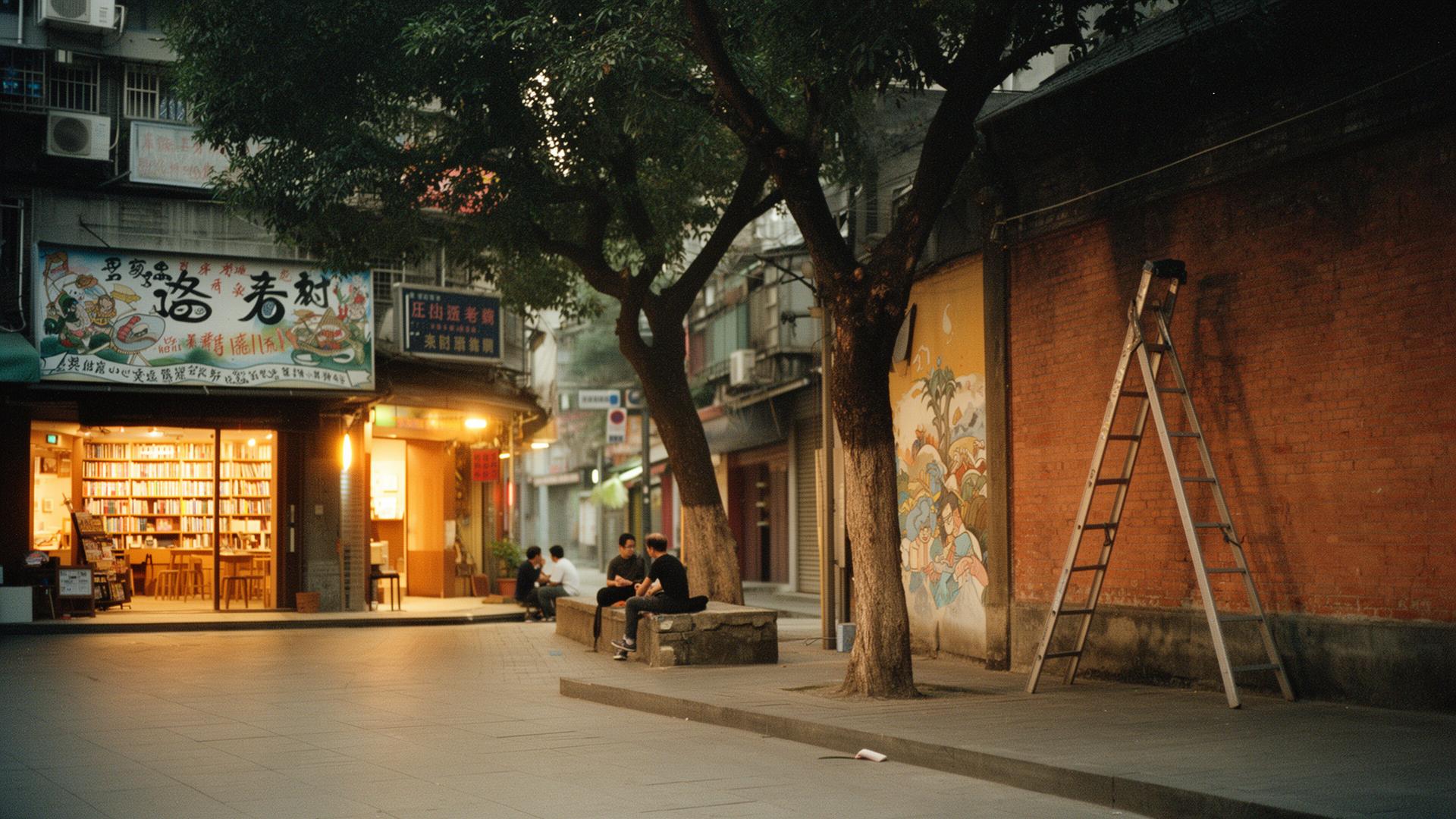
Creative placemaking is the most useful phrase the citymaking field has produced in the last twenty years, and the most easily misused. It travels through foundation briefs, council plans and regeneration prospectuses without quite settling on what it asks of the people who use it. This essay is a working note on the term as we understand it inside The Art of Citymaking — what it means, what it doesn’t, and how it connects the three themes we are taking into the Glass Dome on 17 June 2026.
1. A working definition.
Creative placemaking is the deliberate use of arts, culture and creative practice to shape the physical, social and civic life of a place. The verb matters as much as the nouns: shape — not decorate, not animate, not enliven. A creative placemaking project leaves a neighbourhood different on Monday morning, not just on the evening of the event.
The phrase carries an explicit theory of change. It assumes that artists, designers, makers and cultural institutions are not the soft layer on top of a hard plan — they are participants in the plan, often at the table earlier than the architects. It assumes culture is infrastructure, not decoration.
2. What it isn’t.
Creative placemaking is not a festival you put on once your buildings are finished. It is not a mural commissioned to soften a hoarding. It is not a programming budget appended to a real-estate pro forma. All three can be honourable; none of them, on their own, is what the term names.
Three honest tests separate the work from its imitations:
- Did artists shape decisions before construction?Or were they invited to respond after the brief was set?
- Did the existing cultural ecology grow or shrink?The independent operators, informal makers and community organisations who were there first are the ones who get displaced quietly. Their survival is the most honest indicator.
- Is the work still there in year five? Creative placemaking that disappears with the launch funding wasn’t placemaking. It was a campaign.
3. Why this term, and why now.
The vocabulary the field has been working with — smart city, future of cities, liveable city — has aged unevenly. Smart city was captured by procurement. Future of cities has become synonymous with speculation. Liveable cities sits closer to the truth but says little about who does the liveable-making.
Creative placemaking names the agents and the means. It tells you who is in the room and what they bring. It points at the practice that most reliably distinguishes a regenerated neighbourhood from a replaced one. It is the term we keep returning to when we describe, without jargon, what TAoC is for.
4. How it connects to the three themes.
The 2026 programme is structured around three themes — Adaptive Neighbourhoods, Urban Software, and Placemaking & Legacy. Creative placemaking is the practice that cuts across them.
Adaptive Neighbourhoods
Adaptive neighbourhoods are designed to be edited. They assume that the ground floor will change tenant, the street will host different uses on different days, and the public realm will absorb a wedding, a protest and a market in the same week. That capacity is not produced by zoning alone. It is produced by the cultural operators — the bookshop, the independent stage, the maker in residence, the community kitchen — who give people a reason to use the street, and a reason to defend it when it is threatened.
Urban Software
Urban software is the layer of rules, code, data and operational practice that determines what a city is actually like to live in. Creative placemaking is what stops that layer from becoming impersonal. It is the artist embedded in a transport agency who notices that the new wayfinding excludes the people who use the station most. It is the cultural producer who turns a procurement process into a residency. The software stops being neutral the moment a creative practitioner sits inside it.
Placemaking & Legacy
Legacy is the question that exposes creative placemaking most sharply. Festivals end. Pavilions come down. Funding cycles close. What remains is the network of practitioners, the institutional habits, the regulatory permissions and the quiet repertoire of people who now know how to do this work together. The legacy of a creative placemaking programme is rarely the artefact. It is the capacity it leaves behind.
5. The instruments that hold.
The creative placemaking projects we keep returning to as reference points — the slow stewardship of George Town in Penang, the artist-led re-stitching of inner Lisbon, the patient cultural infrastructure of post-flood New Orleans, the ground-floor retention strategies of HafenCity — share a recognisable toolkit:
- Cultural anchor tenants with secure, sub-market tenure — typically on 15-to-25-year leases.
- Anti-displacement instruments written into the plan, not bolted on: protected tenancies, community land trusts, inclusionary procurement, deliberate retention of small and informal operators.
- Artists in the brief, not the launch. Residencies that pre-date construction. Commissioning processes that allow the artist’s findings to change the plan.
- Stewardship institutions with mandates longer than any single project office.
- Programming that the neighbourhood’s own residents turn up to — not only tourists.
6. The honest difficulty.
Creative placemaking is politically slow and financially patient. It does not produce a ribbon-cutting moment on a quarterly cycle. It depends on institutions willing to be measured in cohorts rather than completions, and on funders willing to underwrite practice rather than projects. Most of the failures the field has logged are not failures of imagination; they are failures of time-horizon.
This is the difficulty the Glass Dome programme is built to sit with. The conviction is simple: the next generation of urban practice will be judged less by what it builds, and more by the cultural and civic capacity it leaves the neighbourhood with when the funding moves on.
“The redevelopment or revitalisation of a city is an art. It depends on the individual strengths of a place and the will of the leadership to bring about change.”
— Charles Landry, The Art of City Making
Creative placemaking is the practice Landry described before the phrase had settled. The Art of Citymaking, 17 June 2026, at the Glass Dome — Landmark of Good in Singapore, is the room where the practitioners who do this work — adaptive neighbourhood stewards, urban software operators, cultural anchors, foundation programme leads, city legacy teams — sit together for a day and compare notes on what is actually holding.