From the Drawing Room: notes from the KL salon
Four lenses, three rounds, one question — what would it take for KL to be a city for all? A field record from a Friday morning at Yap Ah Shak House.
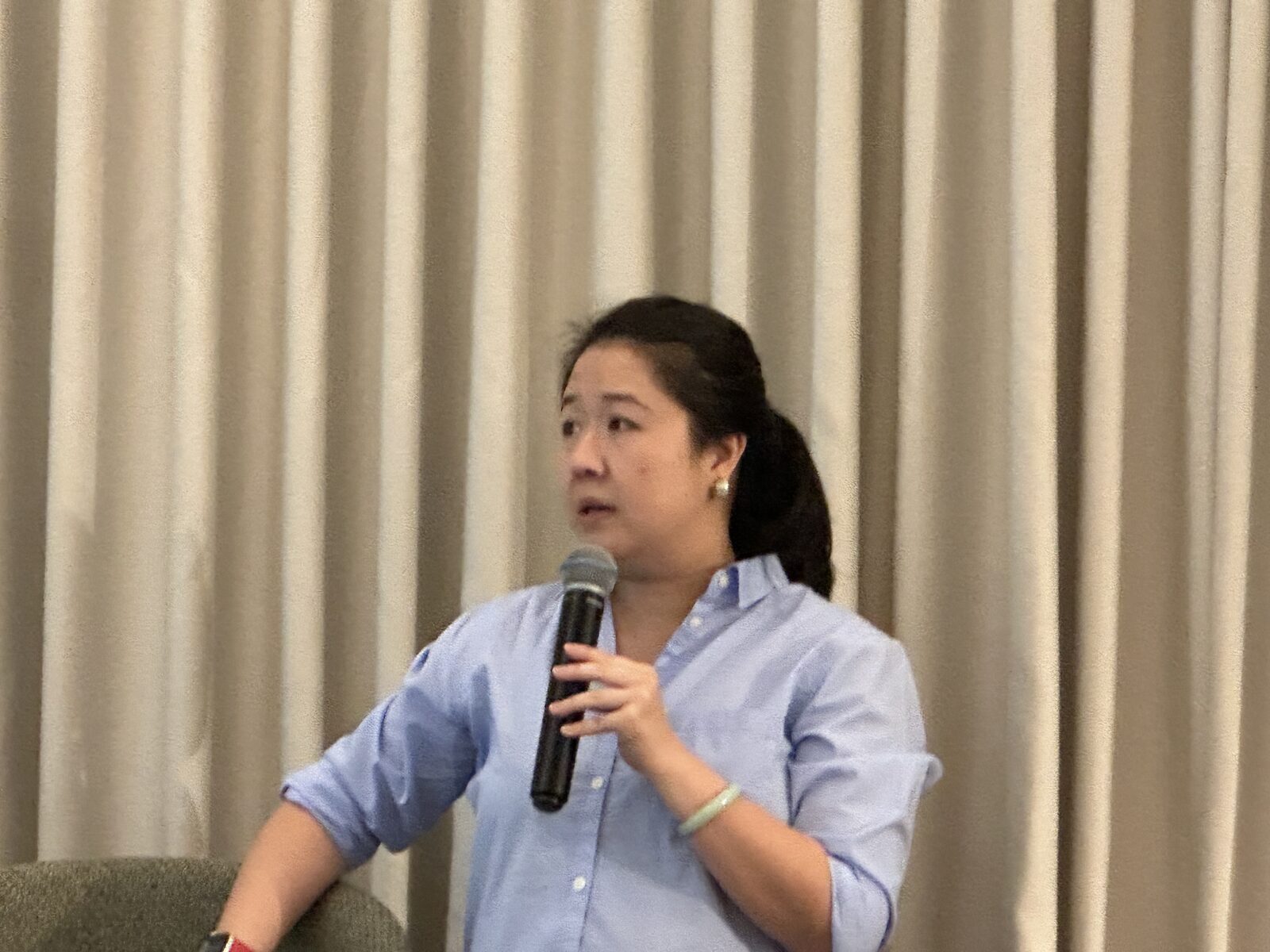
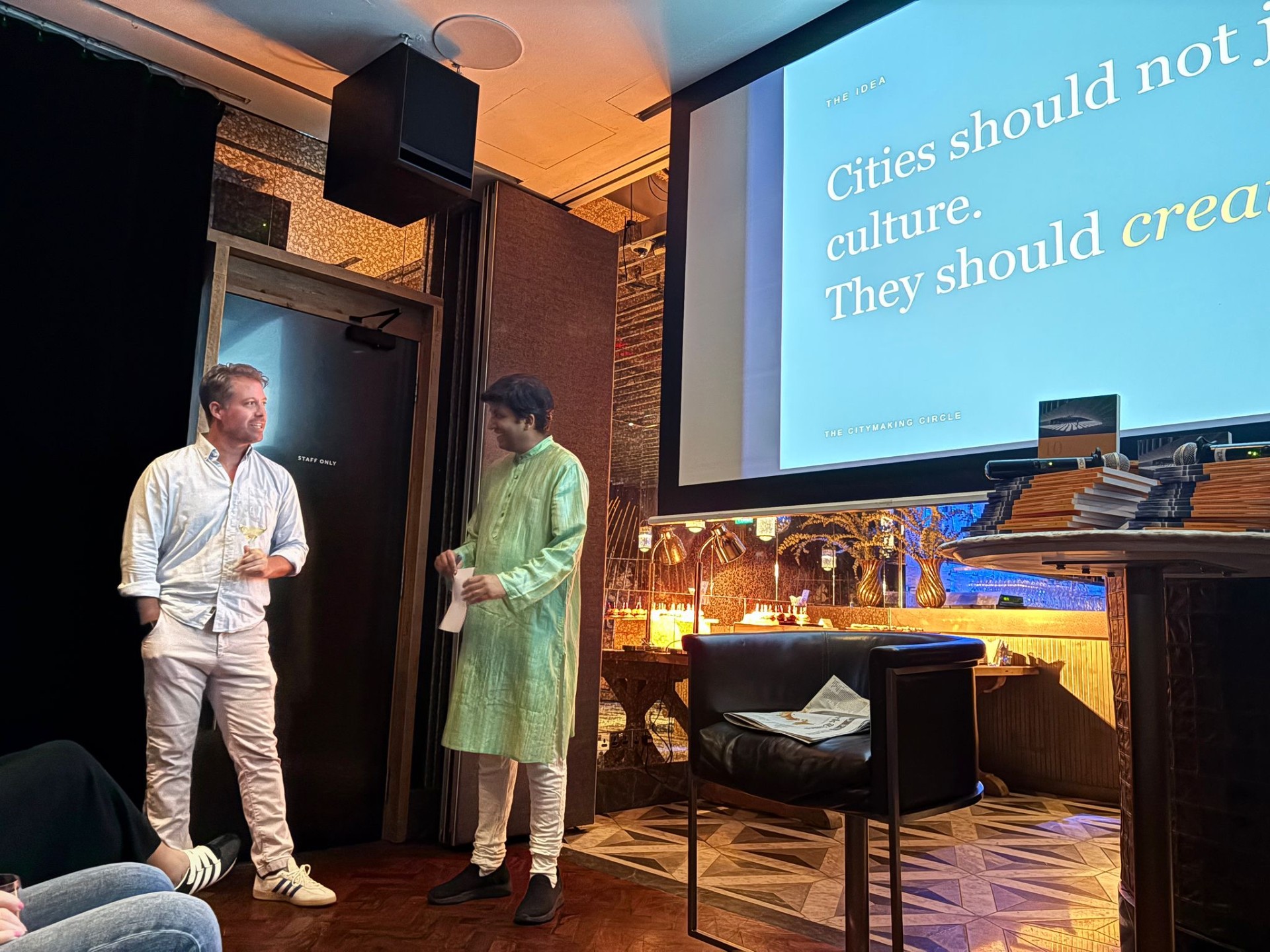
We gathered on a Friday morning in Chow Kit, in a drawing room above a street that has, in living memory, been written off and rewritten more than once. Twenty-something people — policymakers, developers, planners, artists, operators — a long marble table, two books on it (Charles Landry's The Art of City Making and Erin Lee's Take A Pause), and four hours under the Chatham House Rule.
The day was framed by one question: what would it take for Kuala Lumpur to be a city for all? Four short provocations opened four lenses on the city — Understanding, Operating, Transforming, Responding — and three rounds of table discussion took the question apart and tried to put it back together.
What follows is not minutes. It is the residue.
Understanding — liveability is felt before it is measured.
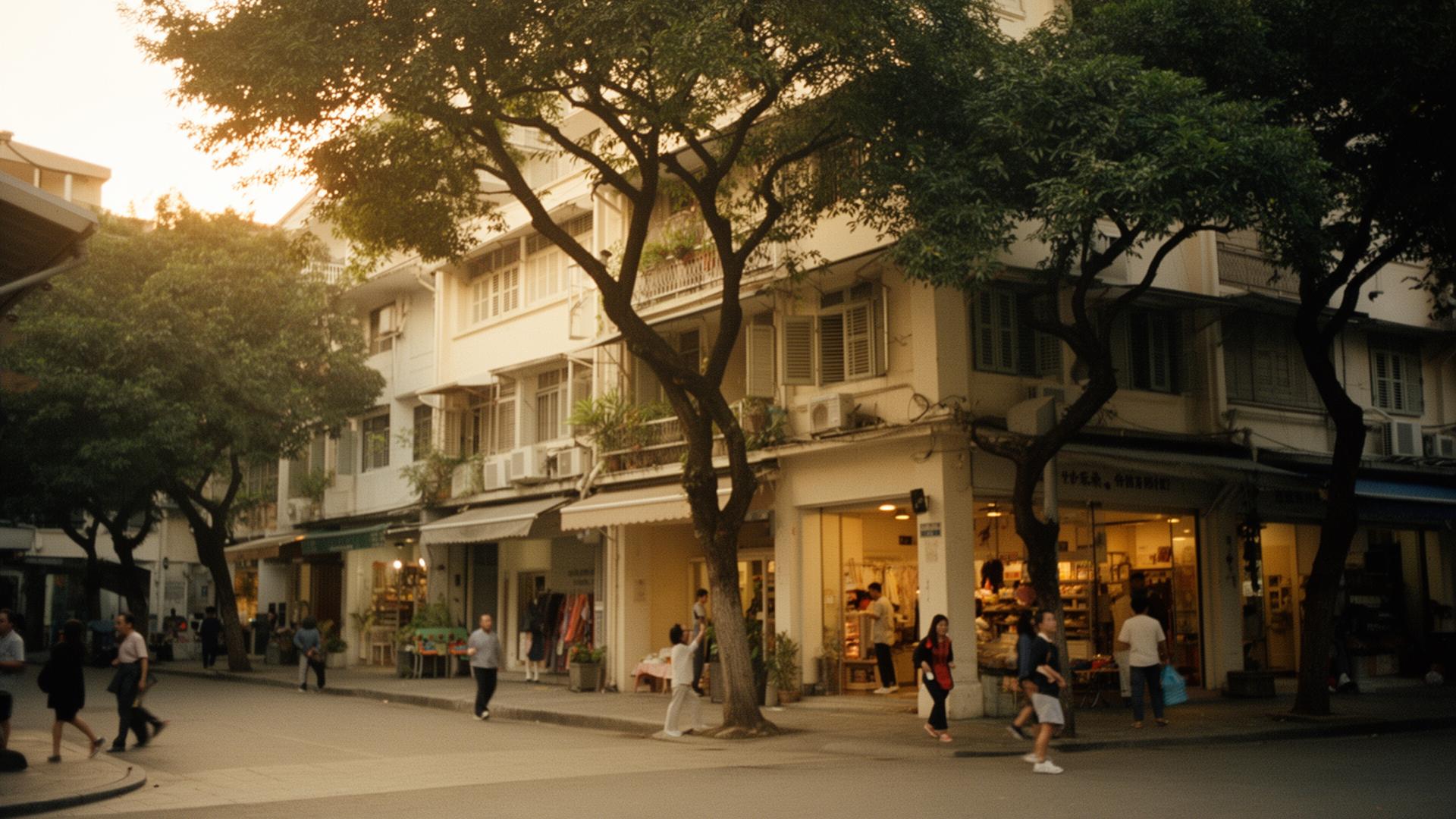
The room was unsentimental about indices. Rankings get cities into the conversation; they rarely get them through it. The harder question — the one we returned to — is whether the daily texture of a place welcomes the body. Shade. Sound. The width of a pavement at school pick-up. The smell of a market street at 7am. KL, like every city, is working very well for some people and not at all for others; the question is whether the plan can hold both truths at once.
Operating — who owns the experience of a district?
The provocation that landed: KL is over-designed in parts and under-managed in others. Plenty of agencies plan. Plenty build. Almost no one is accountable for how a place actually feels on a Tuesday at 6pm. Stewardship — at street, block and district scale — kept being named as the missing capability. Not a new committee. A standing role with teeth.
Transforming — what would you stop doing?
One of the sharper prompts on the table. We are good at adding — programmes, plans, pilots, plaques. We are less practised at subtracting. A learning city is one that can admit a finished district is still in draft, and that knows how to retire what is no longer working without treating it as a defeat.
Responding — what capability, not project, is missing?
Housing, climate and crisis sat together rather than apart. The argument the room kept making, in different accents: shift the conversation from heroic projects to standing capabilities — the quiet, fundable, repeatable capacity to respond when the next thing arrives. Adaptability as infrastructure.
And — we have more to learn from each other than from elsewhere.
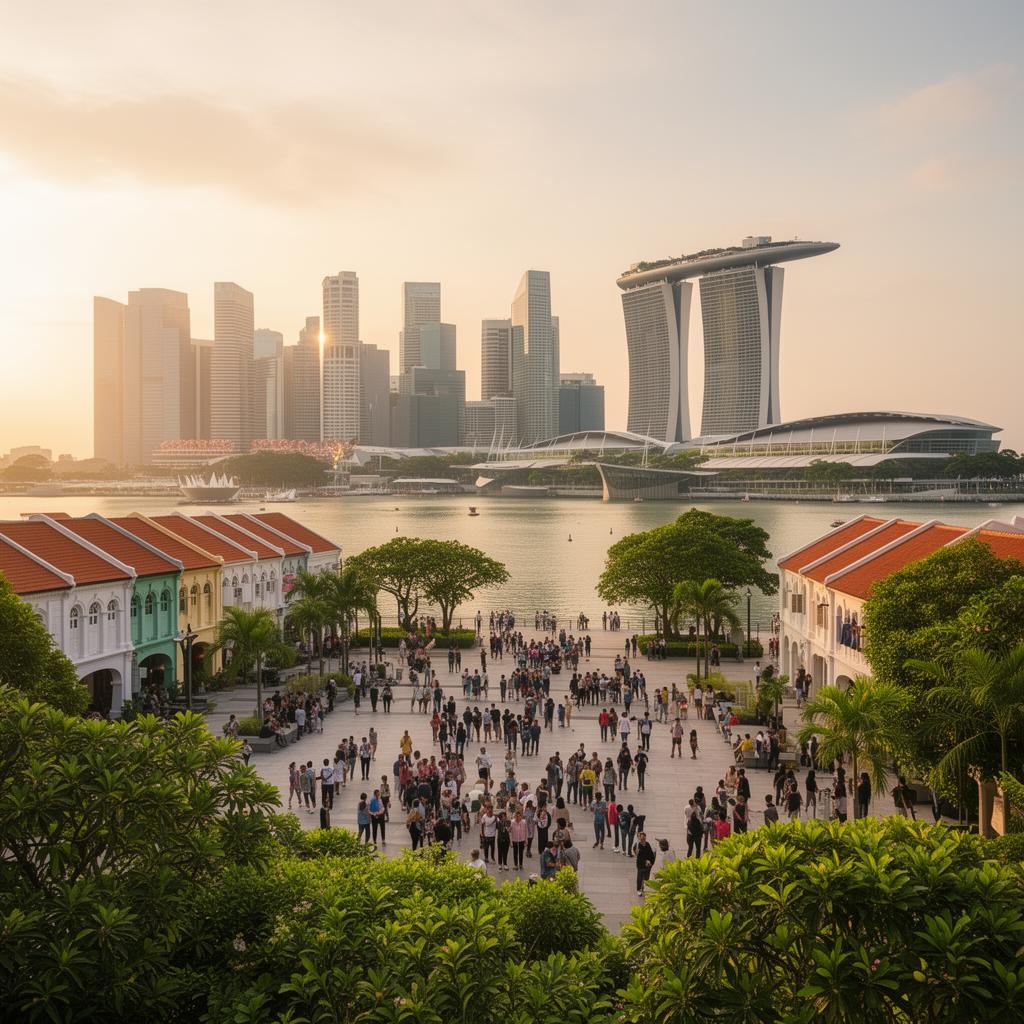
Bangkok, Osaka, Singapore, Penang, KL — all on the table, sometimes literally. The appetite was for lateral exchange across Asia-Pacific, in our own voice, rather than another playbook flown in from a city participants had stopped finding instructive. A distinctly ASEAN model of citymaking — rooted in identity, culture and everyday life — is the work in front of us.
“Creativity cannot be really regulated, but it can be encouraged. The redevelopment or revitalisation of a city is an art. It depends on the individual strengths of a place and the will of the leadership to bring about change. The goal is to establish a cultural infrastructure.”
— Charles Landry, The Art of City Making
We will carry these threads into the Singapore preview on 10 June and into the inaugural festival on 17 June. If you were in the room: thank you. If you weren't, consider this an invitation.