A room of one hundred and fifty: The Citymaking Circle, previewed
Notes from the Founding Preview of The Citymaking Circle at The Nanson, Singapore — one week before the inaugural festival at the Glass Dome.
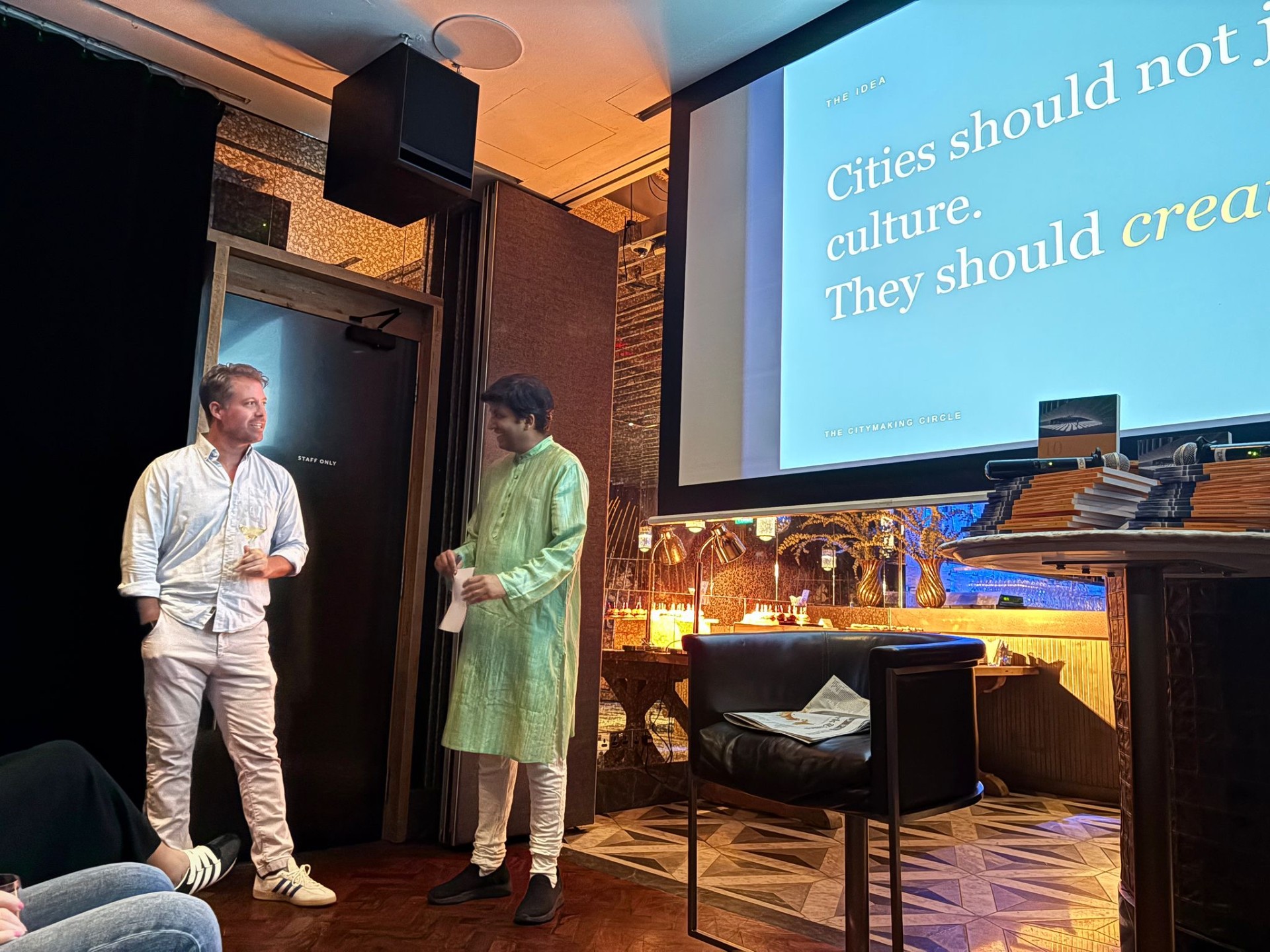
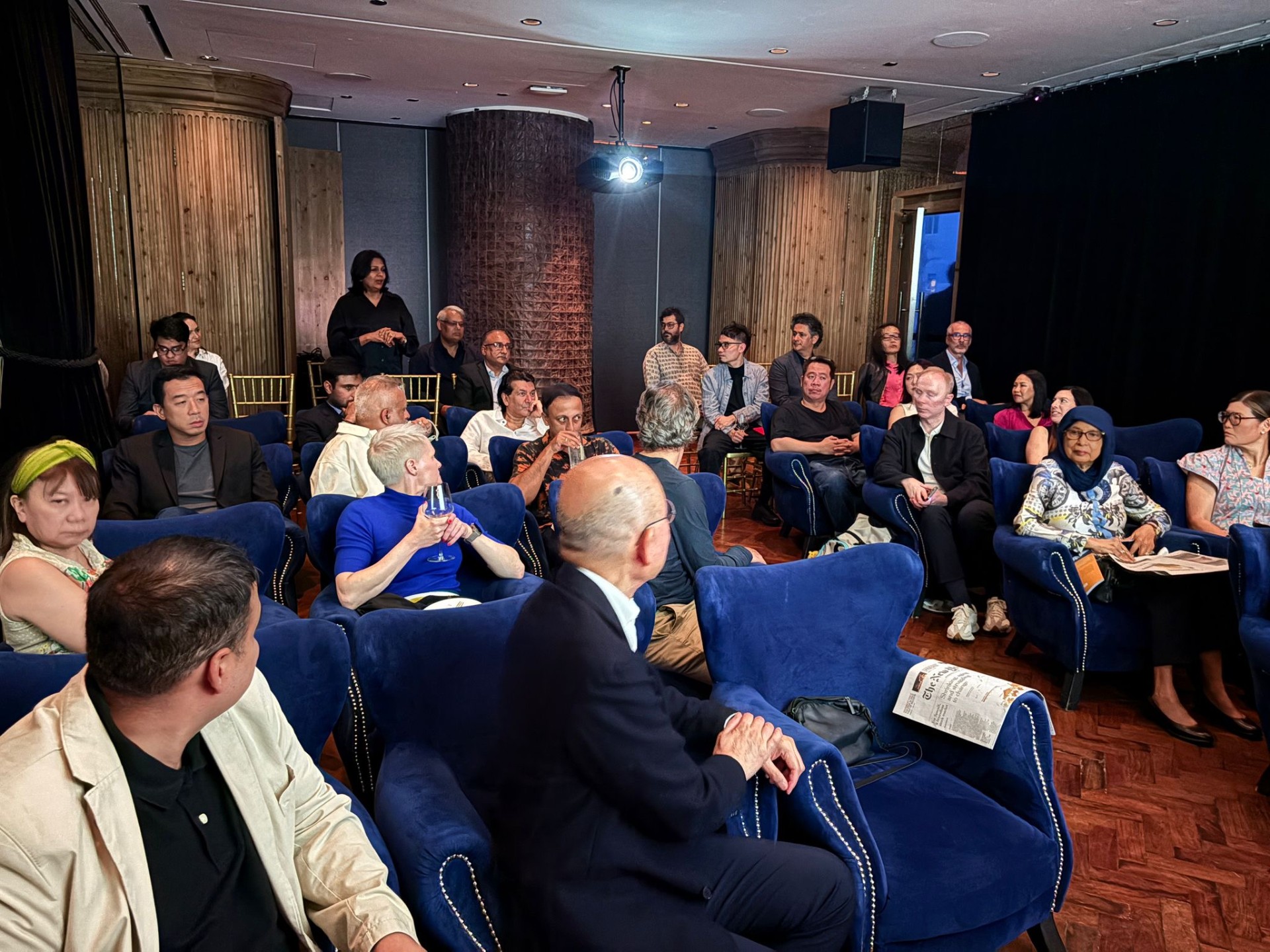
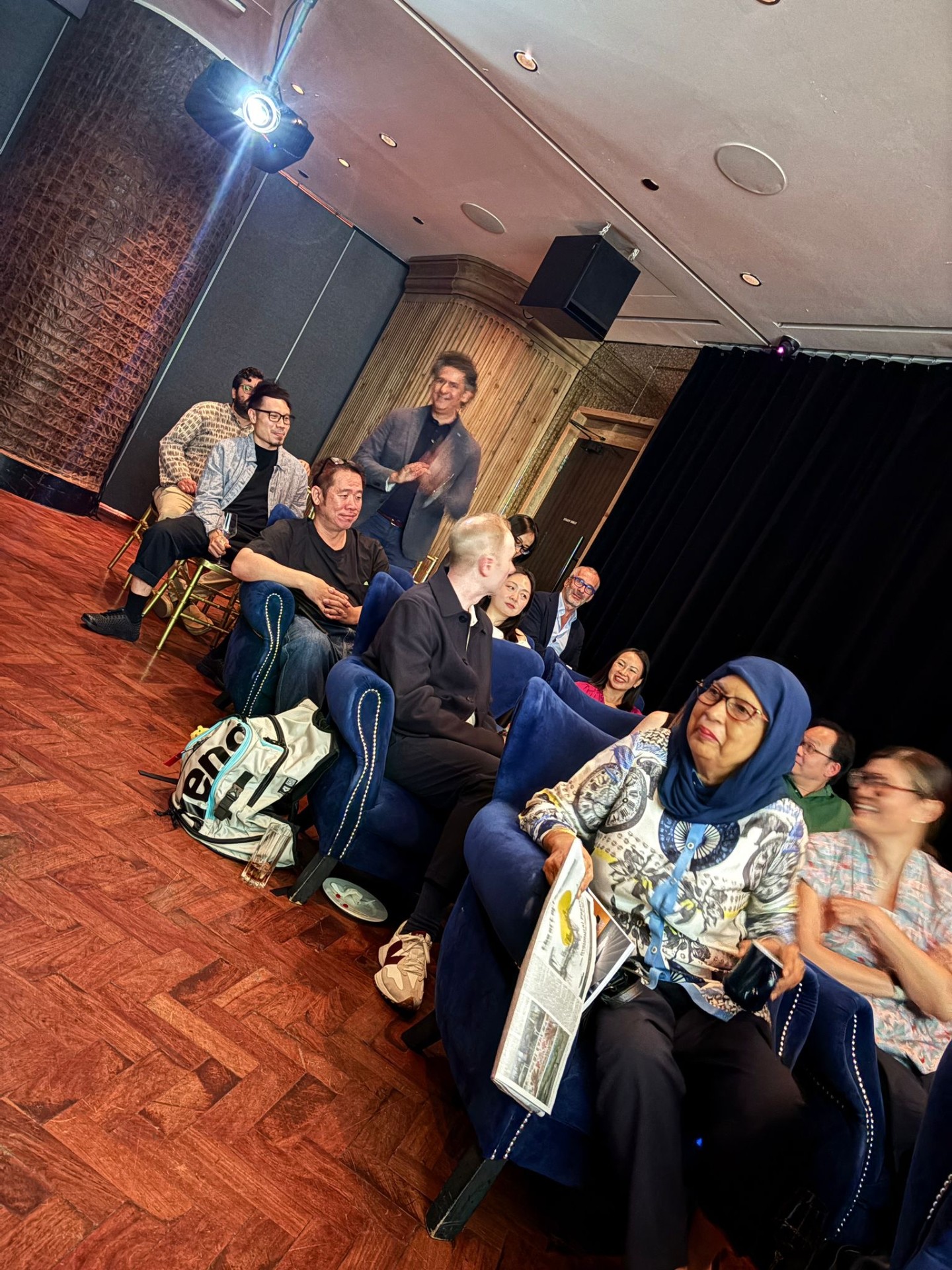
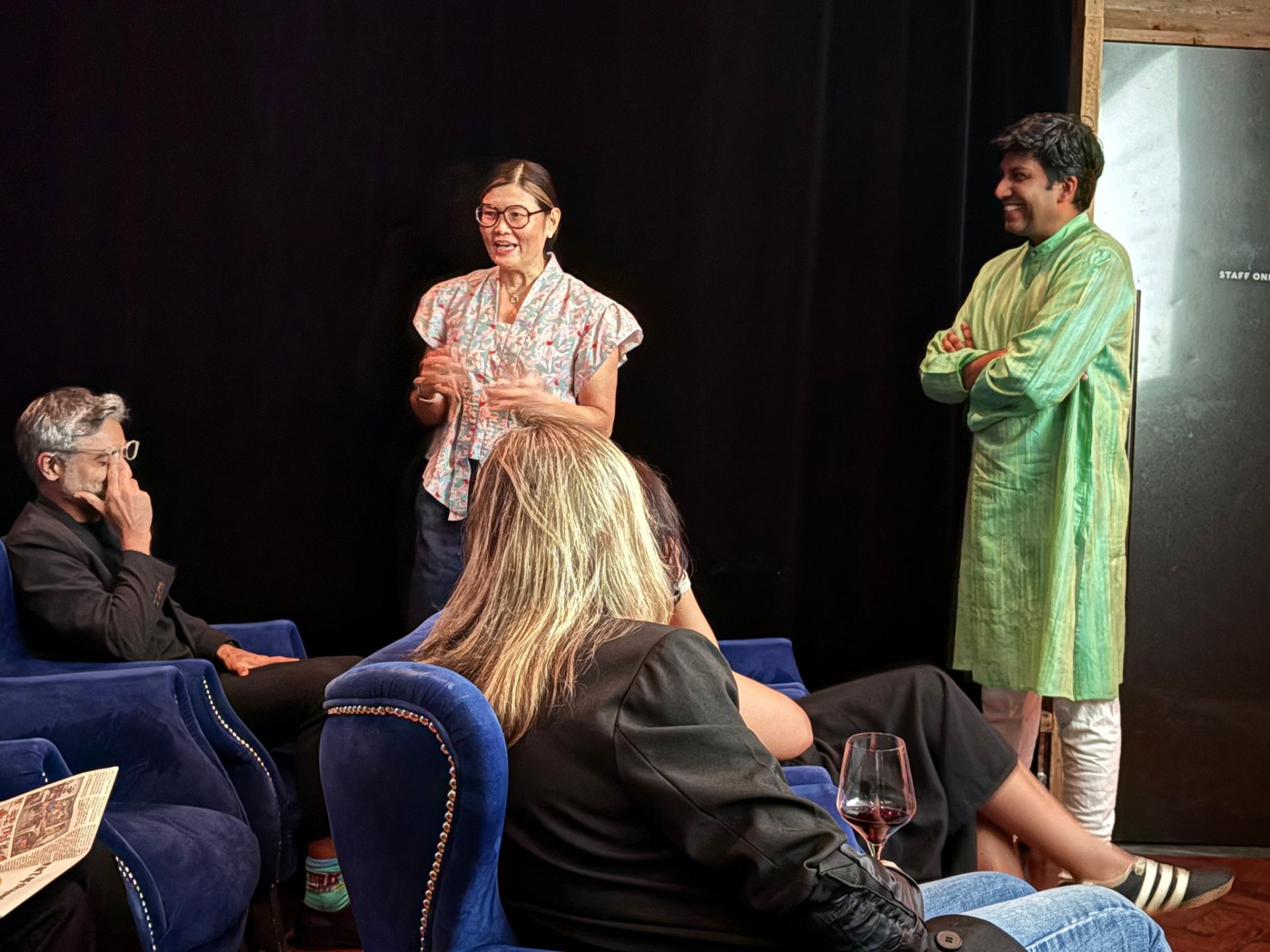
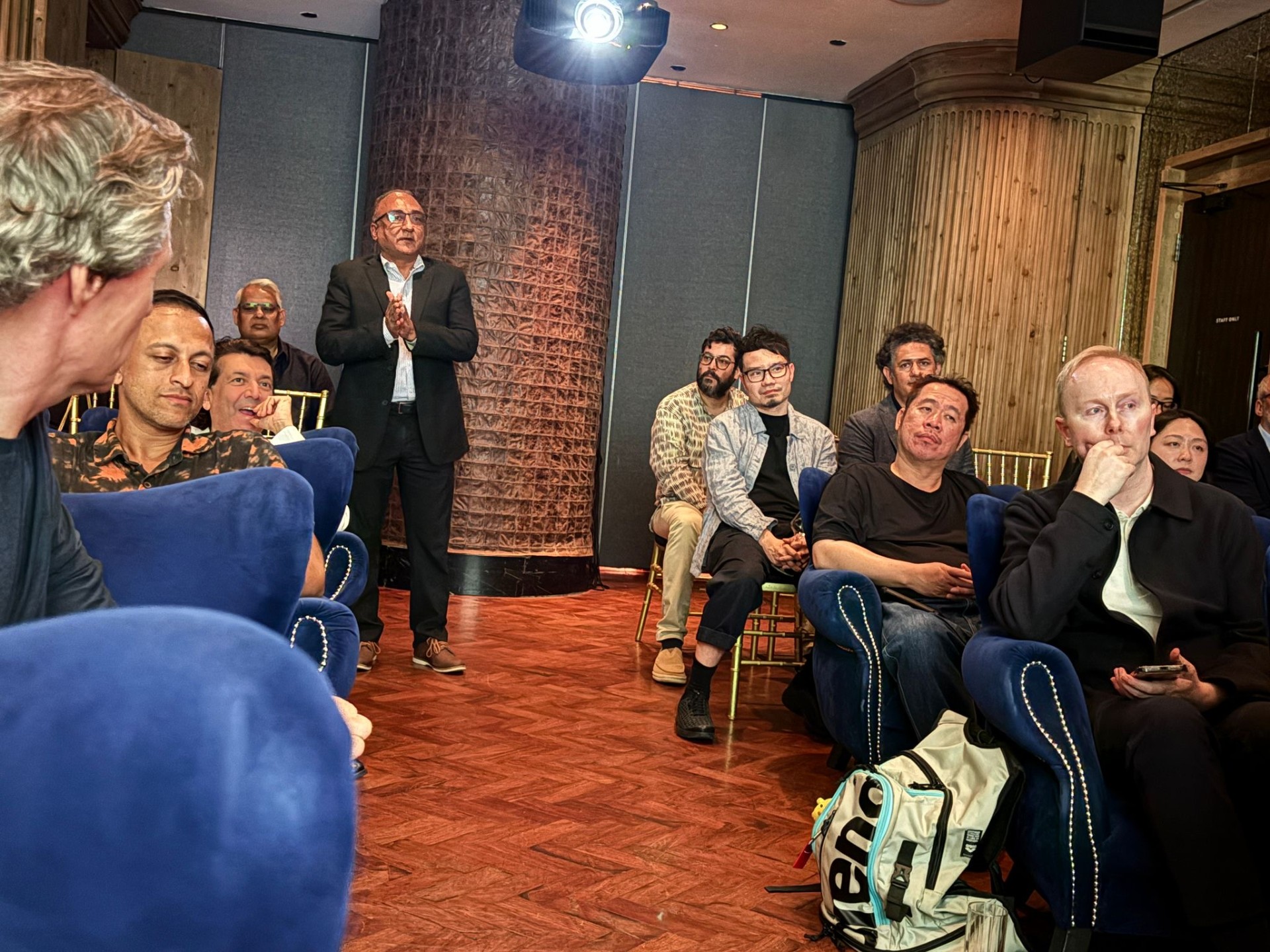
On a Wednesday evening at The Nanson — a quiet, low-lit room a few streets from the Singapore river — about forty people gathered for the Founding Preview of The Citymaking Circle. One week before the inaugural festival at the Glass Dome, this was the first time the Circle had been described aloud, in a room, to the people we hoped would help carry it.
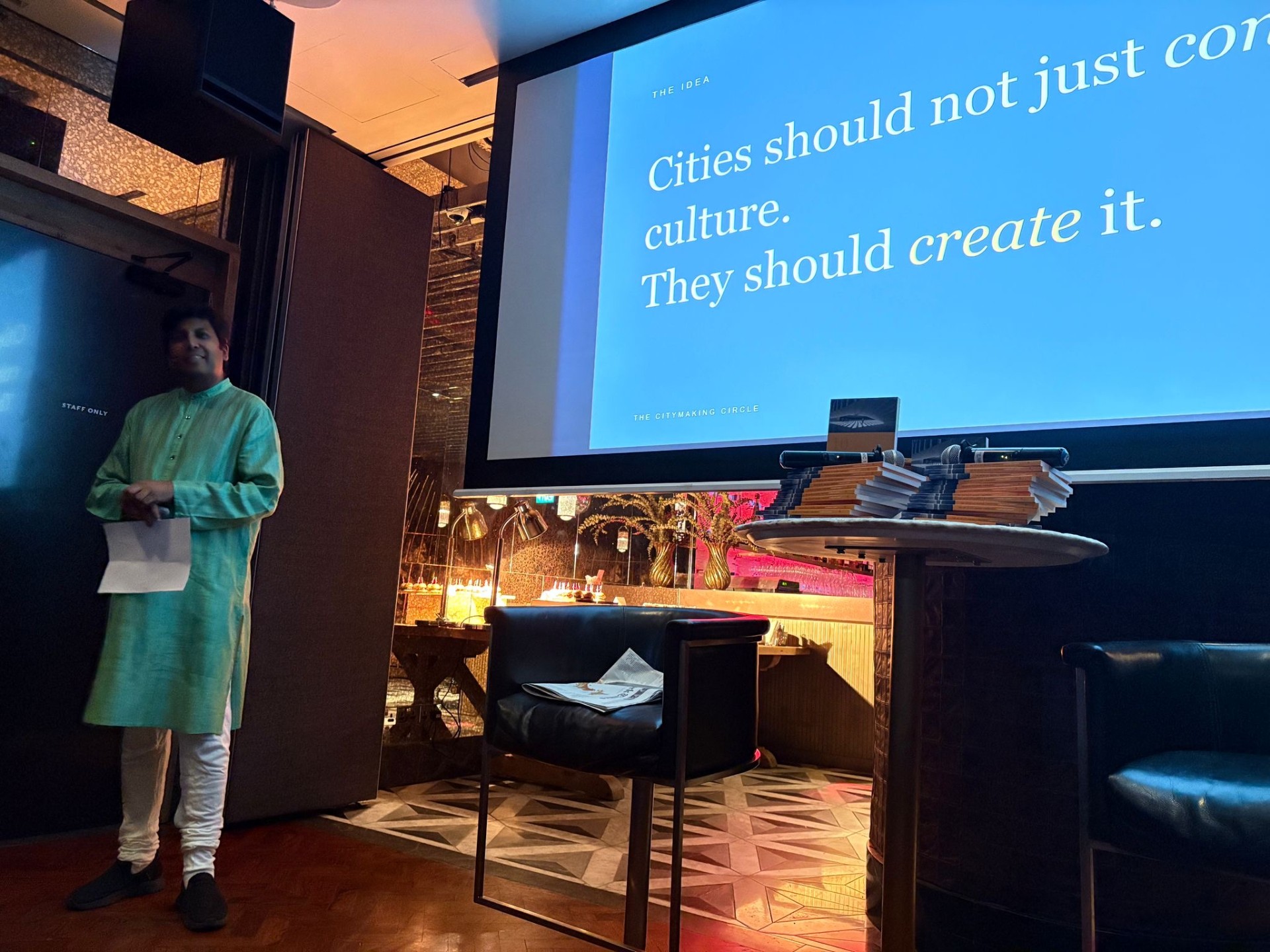
It was billed as a reception, not a lecture. Drinks, good company, a short film, a few words from the founding cohort. But underneath the whole evening sat one simple, ambitious idea — the one the festival itself is built around: that cities shouldn't only consume culture. They should create it.
The thesis, said plainly.
Most cities import their culture — they buy it in, host it, consume it. The interesting ones make their own. That shift, from consuming to creating, is what we mean by citymaking; it is also what The Citymaking Circle exists to back. The festival is the moment. The Circle is the year around it.
We showed Dhun — land near Jaipur that was barren a decade ago and is now becoming a living town — featuring our Inspiration Partner, districtBE, and Project Mandala. Not a theory. A place, being made.
Why one hundred and fifty.
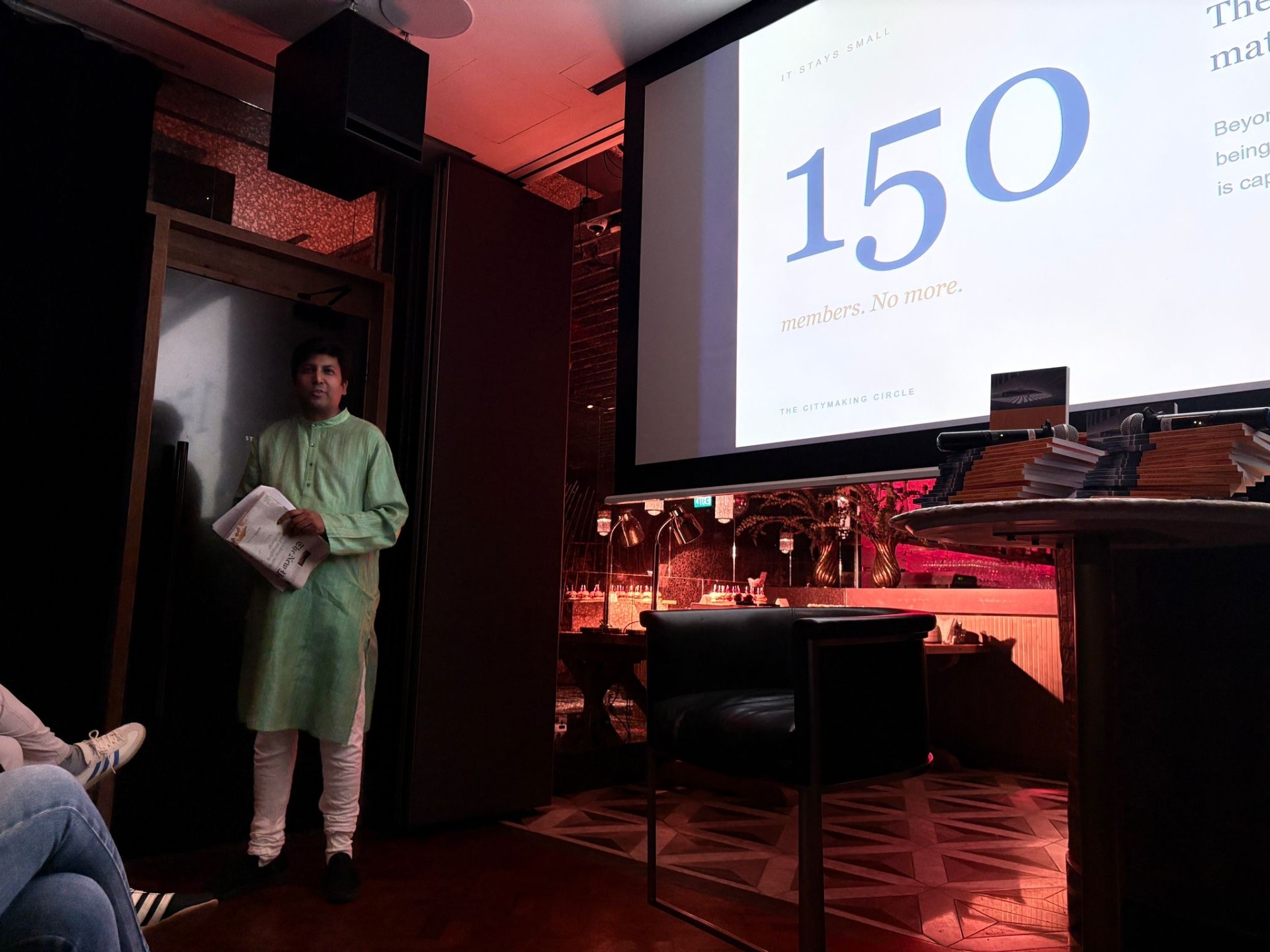
The Circle is capped at 150 — on purpose. It is the only scarcity that matters to us. Past about that number, a community quietly stops being a community and becomes a list. It is Dunbar's threshold: the point beyond which relationships stop being personal and start becoming administrative. We are protecting intimacy, not exclusivity.
Three things to know about how it works. One: it stays small. Two: it moves at the pace of the work — applications are rolling, no countdown. Three: there are two ways in — some callings you take up online, others begin with a conversation.
Four callings. One community.
Citizen, Placemaker, Custodian, Steward — different depths of involvement, one shared community; Patrons join by arrangement. The question on the night wasn't which tier anyone could afford. It was how they wanted to show up.
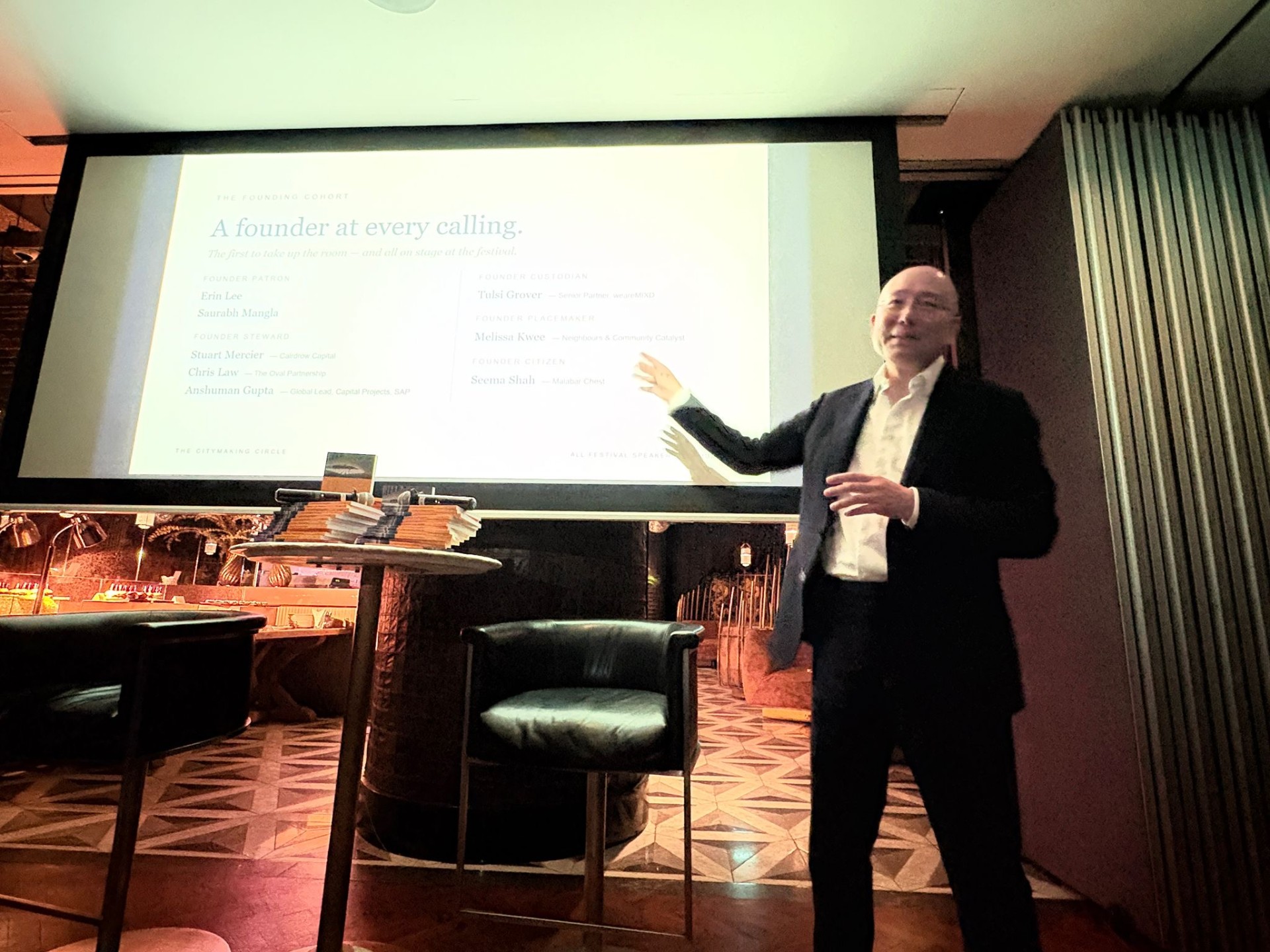
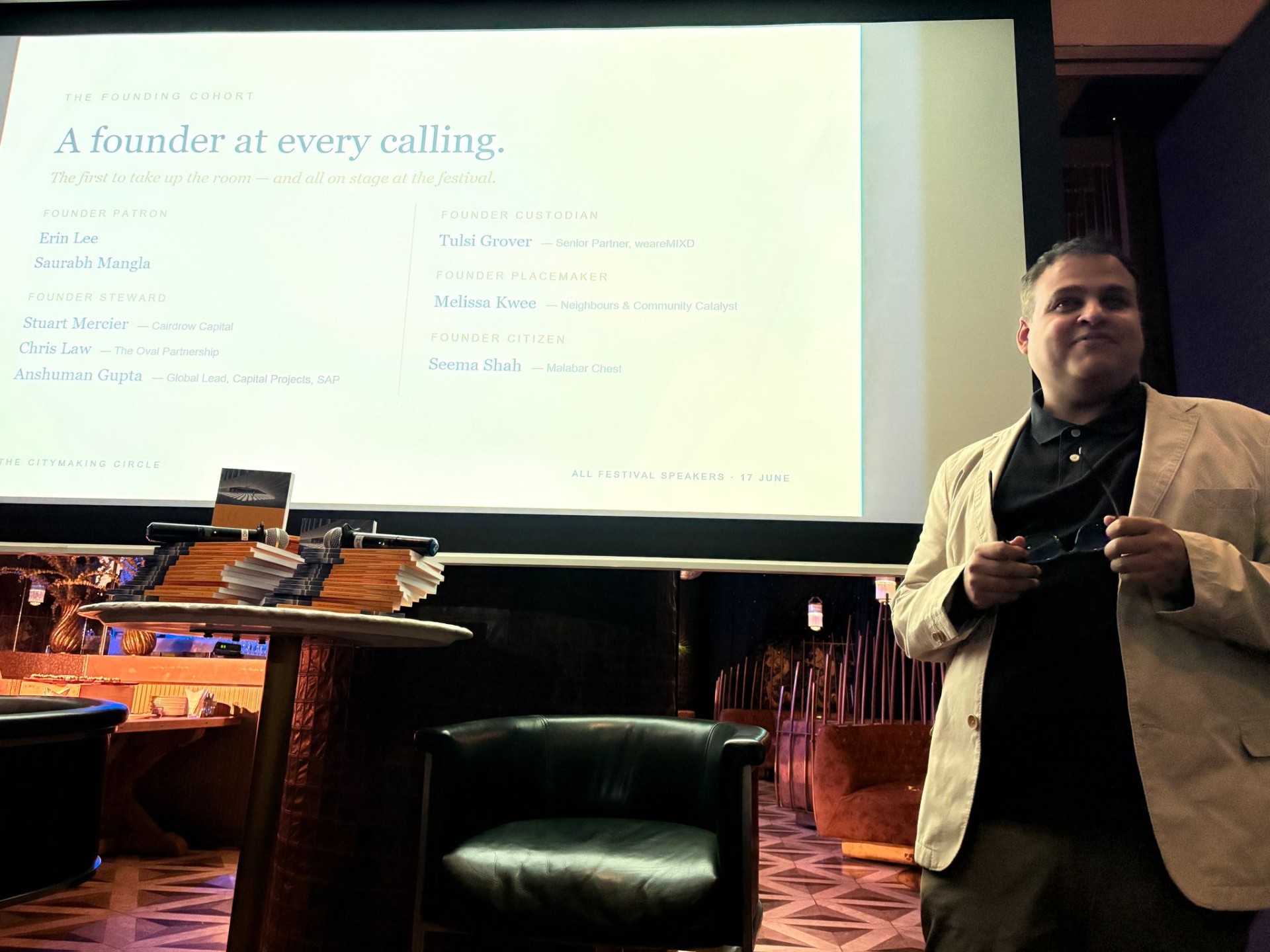
A founder at every calling.
The most important slide of the evening was the founding cohort — because there is a founder at every calling, and they set the tone for everything the Circle becomes. Erin Lee and Saurabh Mangla as Founder Patrons; Stuart Mercier (Cairdrow Capital), Chris Law (The Oval Partnership) and Anshuman Gupta (Global Lead, Capital Projects, SAP) as Founder Stewards; Tulsi Grover (Senior Partner, weareMIXD) as Founder Custodian; Melissa Kwee (Neighbours & Community Catalyst) as Founder Placemaker; and Seema Shah (Malabar Chest) as Founder Citizen. All eight will be on stage at the festival on 17 June.
A year, not an evening.
Between festivals, the Circle travels — intimate salons in member cities, of the kind we ran in Kuala Lumpur in May. Members get priority access to our Leadership for Cities programmes. And then there is the quiet work in between: introductions, briefings, conversations — the thread that makes this more than a mailing list.
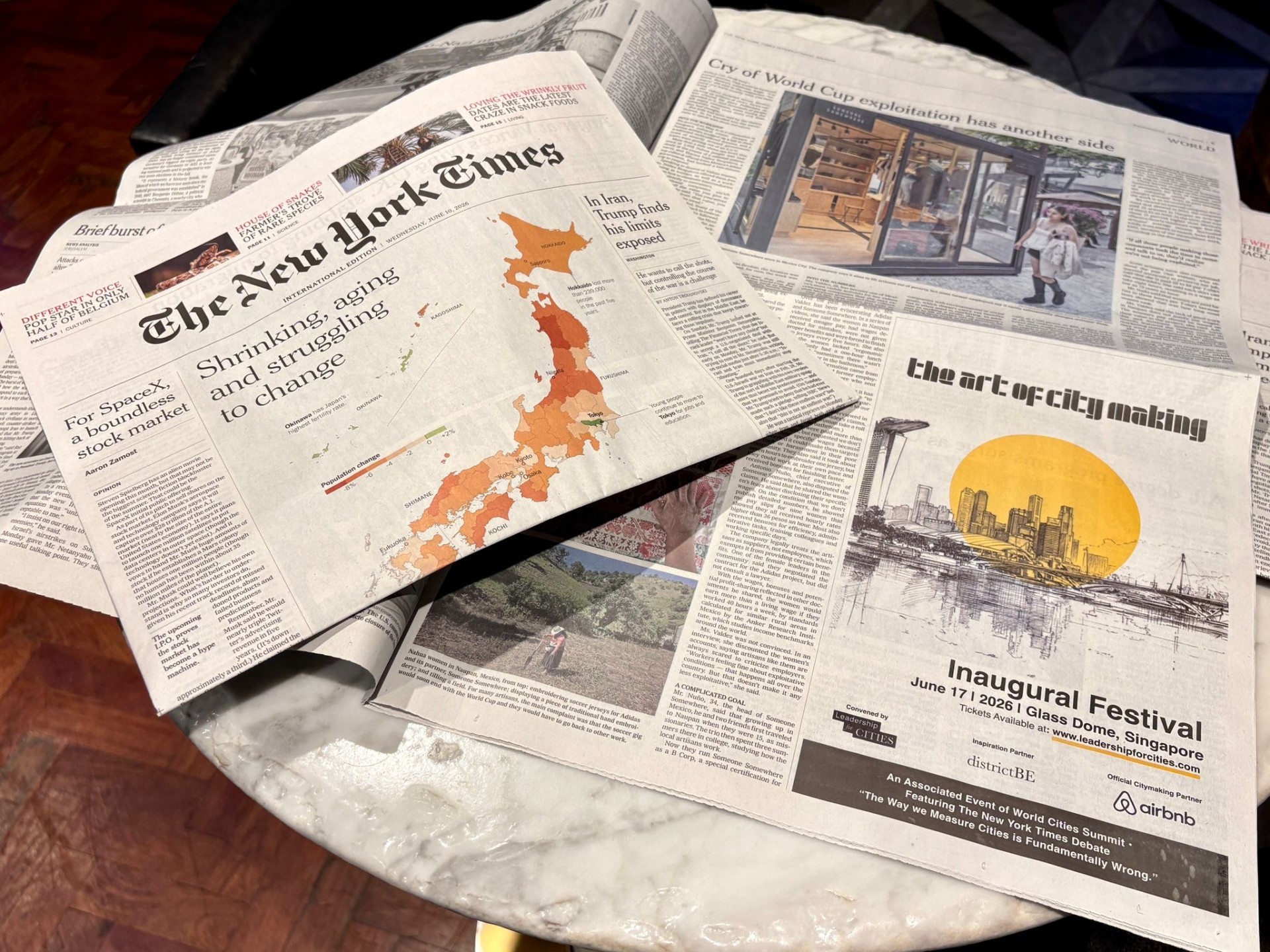
The anchor is the festival: one day, one room, once every two years, in Singapore. The inaugural is 17 June at the Glass Dome, closing with The New York Times Agree to Disagree debate — “The way we measure cities is fundamentally wrong.” Every Circle member gets an all-access pass.
Why now.
Because a founding cohort happens exactly once. The people in this room set the tone for everything the Circle becomes — its cities, its conversations, its standards. This is taken up, not bought.
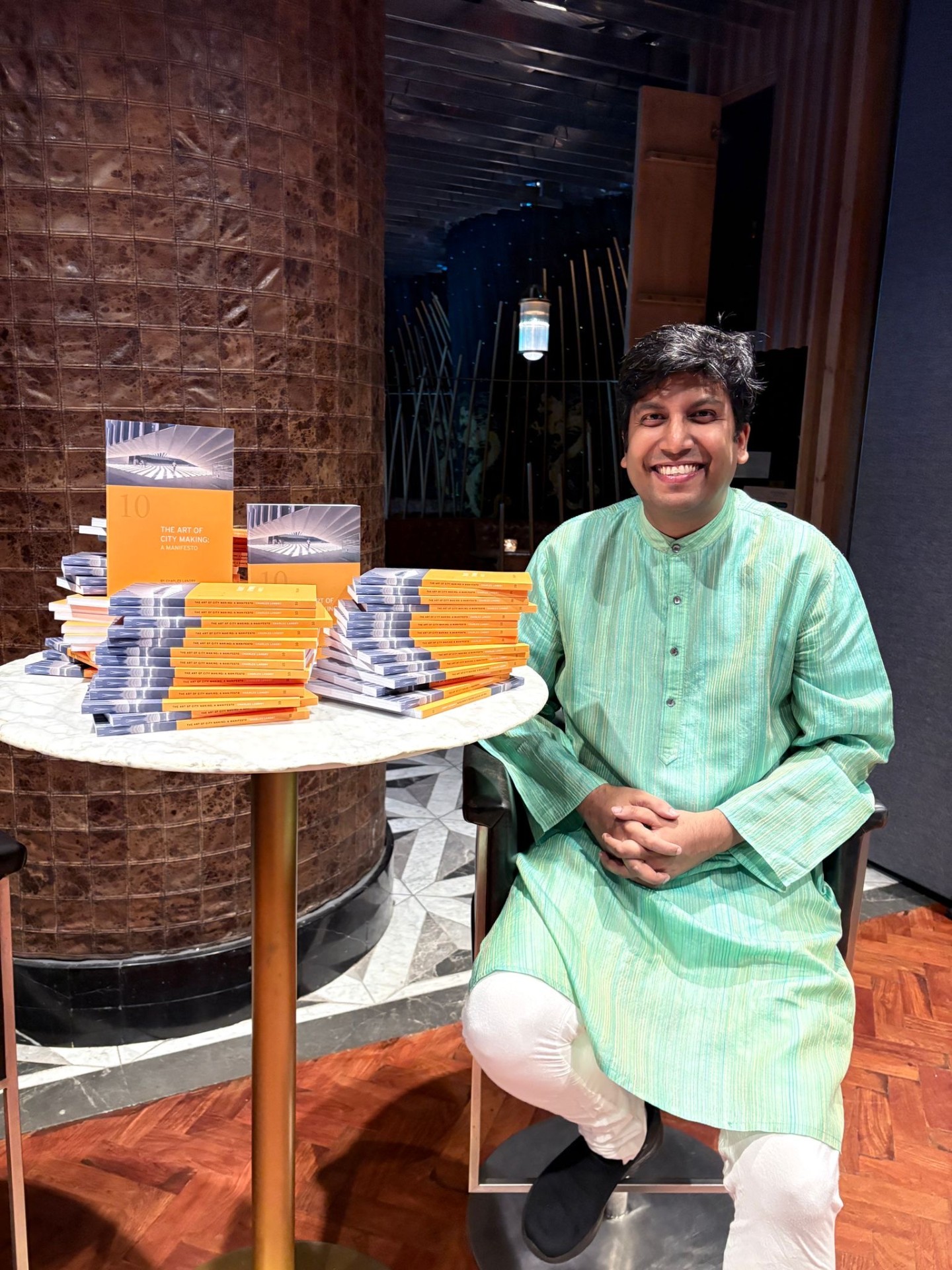
The preview site is live — circle.theartofcitymaking.com. If you were in the room on Wednesday: thank you. If you weren't, consider this an invitation. The room is forming.