The Commons at the Crossing
What a traffic signal reveals about the way we share a city

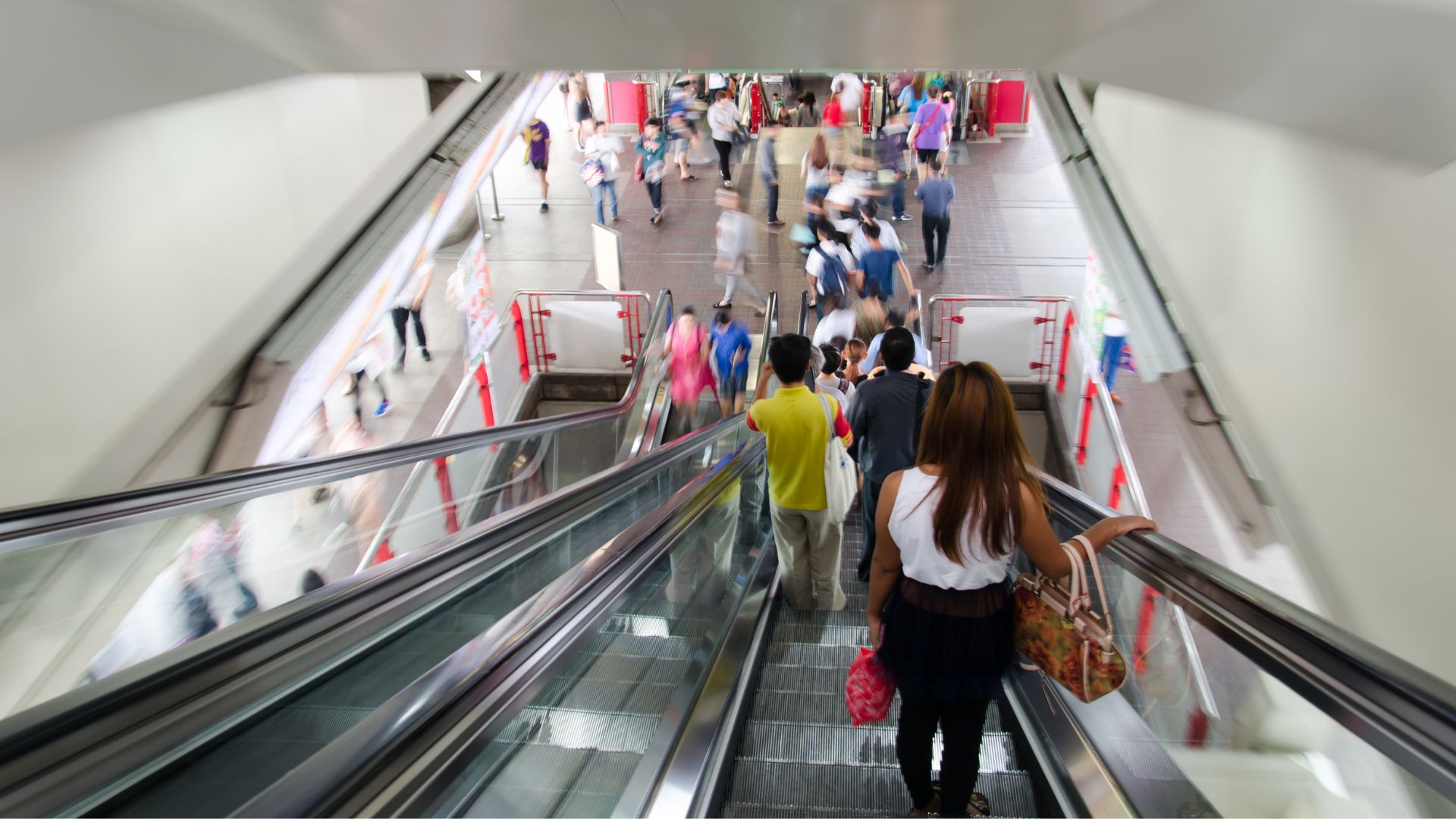
Shibuya Crossing, Tokyo. Katong’s new trial adapts the scramble-crossing approach to a different neighbourhood context. · Photo: Hafeisi / Pexels.
A traffic signal is a small system of permissions. It tells us when to move, when to wait, and when to make room for someone else. We follow its instructions so routinely that we rarely consider the idea of the city contained within them.
At the junction of Joo Chiat Road and East Coast Road, those permissions have changed. The three-month scramble-crossing trial beginning on 16 November gives pedestrians a dedicated interval to cross in all directions, including diagonally, while vehicles stop. As Mothership reported ahead of the launch, the trial will help determine whether the crossing becomes a permanent fixture.
The comparison with Tokyo’s Shibuya Crossing is easy to make. The more interesting story is how this crossing came to Katong, and what it might mean for the people who share its streets.
A signal from the neighbourhood
In its 12 November report, The Straits Times describes a trial initiated following interest from the local community. Grassroots leaders, merchant representatives, LTA officers and others spent months discussing and refining the plans.
The report also gives a sense of the everyday concerns behind that work. MP Goh Pei Ming pointed to instances of turning vehicles almost hitting pedestrians. A resident described near-accidents involving cars turning into Joo Chiat Road. These accounts make the crossing a response to a lived problem.
Edmond Wong, president of the Katong-Joo Chiat Business Association, develops that local perspective in a LinkedIn post. He describes a neighbourhood experienced on foot: families with strollers, older neighbours heading out for coffee, and visitors moving between shops and eateries. His argument is that street design needs to respond to the way people already use the place.
That is a useful starting point for thinking about the commons. Shared places depend on people being able to use them, and on arrangements that respond when their needs change.
The community’s involvement matters because residents and merchants encounter the street repeatedly. They see where crossing becomes awkward, where people gather, and where daily routines meet obstacles. Their experience can help shape what gets tested.
Sharing the street means sharing time
The rest of this piece is for Friends and Fellows.
Friends and Fellows read the whole Commons — essays, films and session recordings. Sign in with the email on your membership, or join from SGD 18.80 a year.